Published on March 2, 2026
Finding the Right Jewelry Manufacturing Partner
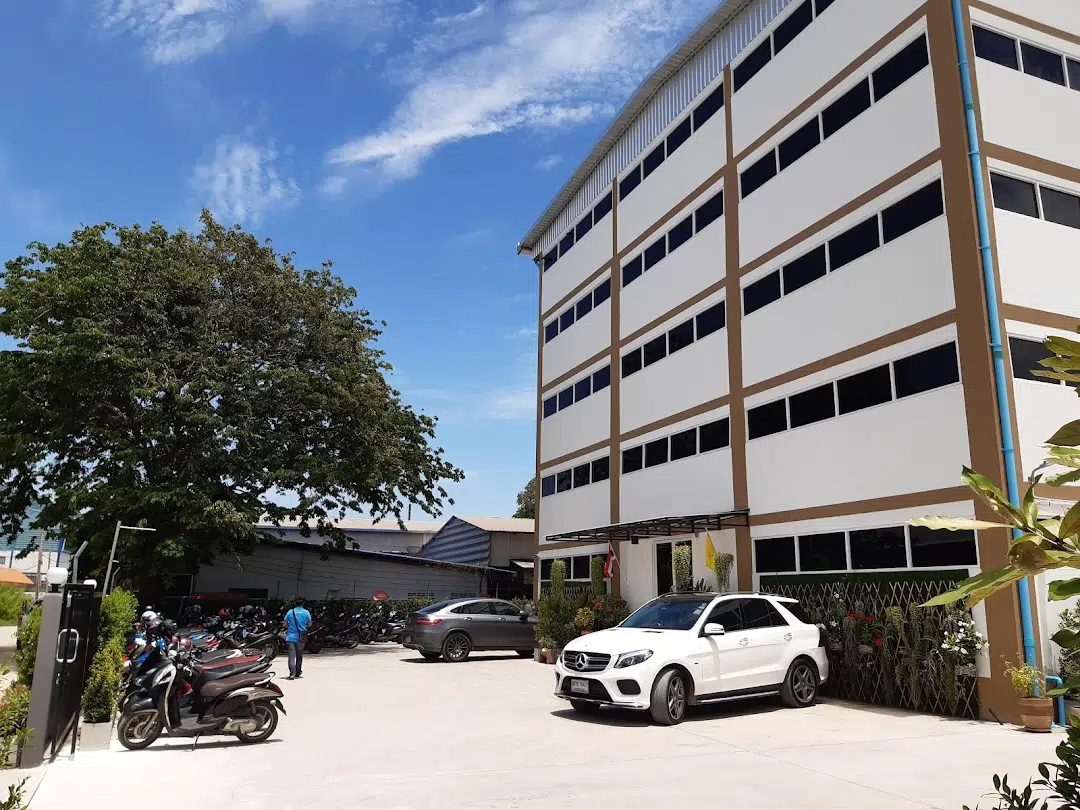
Maneekan Siam, a luxury jewelry manufacturer in Bangkok, Thailand with over 300 employees and 500,000+ pieces annual capacity, shares the essential criteria for choosing a reliable jewelry manufacturing partner.
Whether you are launching a new jewelry brand, expanding your existing collection, or seeking a more reliable production partner, the choice of jewelry manufacturer will directly impact your product quality, brand reputation, lead times, and profitability. A custom jewelry manufacturer who understands your vision and delivers consistent excellence is the foundation of a successful jewelry business.
In this comprehensive guide, we break down the 10 most critical evaluation criteria that brands and buyers should consider when selecting a quality jewelry manufacturer. From production capabilities and certifications to ethical practices and pricing transparency, these benchmarks will help you make an informed decision and build a lasting manufacturing partnership.
10 Essential Criteria for Choosing a Jewelry Manufacturer
1. Production Capabilities & Capacity
The first criterion when evaluating how to choose a jewelry manufacturer is understanding their production capabilities and capacity. Can the facility handle your current order volume and scale with your growth? A quality jewelry manufacturer should demonstrate expertise across multiple production techniques — including casting, CNC milling, 3D printing, hand fabrication, and finishing. At Maneekan Siam, our jewelry production facility handles over 500,000 pieces annually across gold, silver, platinum, and brass, with the flexibility to manage both small sample runs and large-scale orders.
Explore our production capabilities →2. Quality Certifications (RJC, ISO)
Certifications are non-negotiable indicators of a manufacturer's commitment to quality and ethics. An RJC certified jewelry manufacturer has been independently audited for responsible sourcing, ethical labor practices, and environmental sustainability. ISO 9001 certification demonstrates systematic quality management. REACH and RoHS compliance is essential for European market access. These certifications protect your brand's reputation and ensure your supply chain meets international standards. Always ask for documentation and verify certification status directly with the issuing bodies.
View our certifications →
3. Materials Expertise (Gold, Silver, Platinum, Brass)
A versatile jewelry manufacturer should demonstrate deep expertise across multiple precious and base metals. Each material — gold (9K through 24K), sterling silver, platinum, palladium, and brass — has distinct working properties that require specialized knowledge in alloying, casting temperatures, finishing techniques, and quality control parameters. Ask your potential manufacturer about their experience with your target materials, the purity grades they work with, and their capabilities for plating and surface treatments including rhodium, gold, rose gold, and PVD coatings.
4. Technical Expertise & Equipment
Modern jewelry manufacturing demands a blend of traditional craftsmanship and advanced technology. Evaluate whether the manufacturer invests in current-generation equipment — CAD/CAM software (Rhino, Matrix Gold), high-resolution 3D printers, precision CNC milling machines, laser welding and cutting systems, and professional stone setting tools. A custom jewelry manufacturer with strong technical expertise can execute complex designs that less equipped competitors simply cannot achieve, from guilloché engine turning to micro-pavé stone settings.
Discover our design capabilities →5. Minimum Order Quantities (MOQ)
Minimum order quantities vary significantly across the jewelry manufacturing industry. Some factories require 500-1,000 pieces per SKU, while others accommodate smaller batches of 50-100 pieces. Your chosen manufacturer's MOQ must align with your business model — especially if you are a startup, producing limited editions, or testing new designs. Discuss MOQ flexibility for initial orders versus reorders, and clarify whether sample orders have different requirements. The best manufacturing partners will work with you to find an arrangement that supports your growth trajectory.
6. Lead Times & Delivery
Reliable lead times are essential for inventory planning and meeting retail deadlines. When evaluating a jewelry manufacturer, ask for detailed production timelines broken down by phase: sampling (2-3 weeks), pre-production approval (1 week), bulk production (4-8 weeks), quality control (3-5 days), and shipping. Understand their current capacity utilization — an overloaded factory is more likely to miss deadlines. A transparent manufacturer will provide written timelines and proactive updates throughout the production cycle.
7. Communication & Transparency
Clear, consistent communication is the backbone of any successful manufacturing relationship. Evaluate the manufacturer's responsiveness — do they reply within 24-48 hours? Do they assign a dedicated account manager who understands your brand? Are they willing to share production progress photos and videos? Language capabilities matter too, especially for international partnerships. A quality jewelry manufacturer invests in professional communication systems and treats transparency as a core business value, not an afterthought.
8. Sampling Process
The sampling process reveals a manufacturer's true quality standards and attention to detail. Request a detailed breakdown of their sampling workflow: How do they translate your design into a 3D model? What is the turnaround time for prototypes? How many revision rounds are included? Can they produce samples in the actual production material, or only in base metals? A thorough sampling process — with clear communication at each stage — dramatically reduces the risk of quality issues during bulk production.
9. Ethical & Sustainable Practices
Consumers and retailers increasingly demand transparency in jewelry supply chains. Your manufacturing partner's ethical practices directly affect your brand positioning. Key areas to evaluate include: responsible sourcing of precious metals and gemstones, conflict-free diamond procurement through the Kimberley Process, use of recycled metals, fair labor practices, safe working conditions, and environmental management including waste reduction and energy efficiency. An RJC certified jewelry manufacturer has undergone third-party verification of these practices.
10. Pricing & Value
Price is important but should never be the sole deciding factor when choosing a jewelry manufacturer. The lowest quote often conceals hidden costs — inferior materials, poor finishing, high defect rates, and delayed deliveries. Instead, evaluate total value: quality consistency, reliability, technical capability, communication quality, and long-term partnership potential. Request detailed cost breakdowns that separate material costs, labor, overhead, and margin. A transparent pricing structure from a quality jewelry manufacturer builds trust and enables better financial planning for your brand.
Red Flags to Watch Out For
No Factory Visits Allowed
A manufacturer who refuses or consistently delays factory visits may be hiding substandard working conditions, outsourcing your production to third parties, or misrepresenting their actual capabilities. Reputable jewelry manufacturers welcome client visits and are proud to showcase their facilities, equipment, and workforce. If an in-person visit is not feasible, at minimum request a live video tour of the production floor.
Unrealistically Low Pricing
If a quote seems too good to be true, it almost certainly is. Pricing that significantly undercuts competitors typically indicates the use of lower-grade materials, substandard alloys, cost-cutting on finishing and quality control, or underpaid labor. Cheap production invariably leads to quality complaints, returns, and reputational damage that far exceeds any initial savings.
No Certifications or Compliance Documentation
A manufacturer operating without RJC membership, ISO certification, or relevant compliance documentation (REACH, RoHS, nickel regulations) poses a significant risk to your brand. Lack of certifications suggests limited commitment to quality systems, ethical sourcing, and regulatory compliance. This is especially critical if you serve European or North American markets with strict import regulations.
Poor Communication & Slow Response Times
If a manufacturer is difficult to reach during the quotation and sampling phase — when they are trying to win your business — communication will only deteriorate once production begins. Consistent delays in responding to emails, reluctance to provide updates, or vague answers to technical questions are warning signs of operational disorganization that will translate into production problems.
No Quality Control Process Documentation
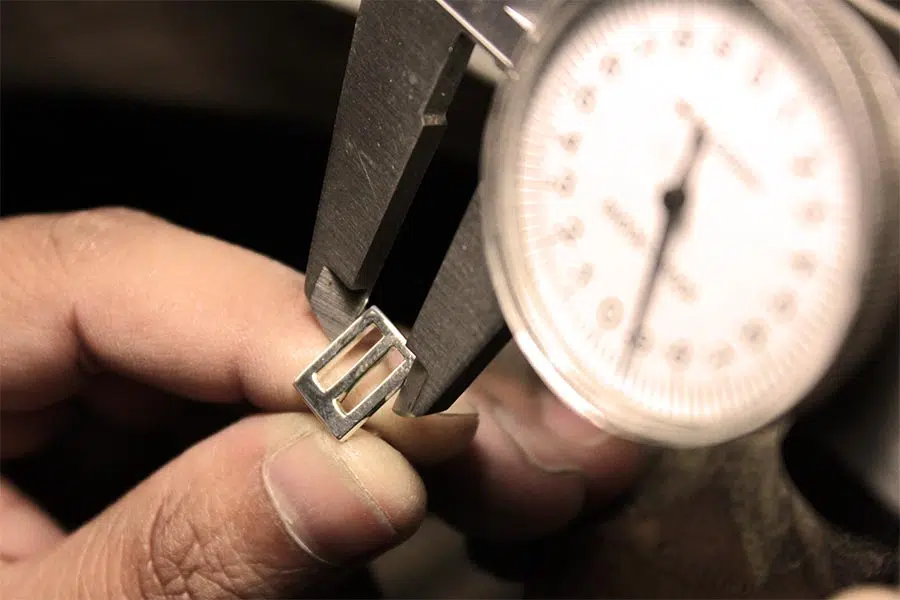
A professional jewelry manufacturer should be able to articulate their quality control process clearly — including the number of inspection points, the measurement tools used, acceptance criteria, and defect handling procedures. If a manufacturer cannot or will not explain their QC process, expect inconsistent quality, higher defect rates, and costly production issues down the line.
Frequently Asked Questions
What is the minimum order quantity for most jewelry manufacturers?
MOQ varies widely depending on the manufacturer and product type. Small artisan workshops may accept orders as low as 10-50 pieces, while large-scale production facilities typically require 100-500 pieces per SKU. Some manufacturers offer flexible MOQs for first-time orders to allow brands to test quality before committing to larger volumes. At Maneekan Siam, we work with brands of all sizes to find MOQ arrangements that support their business model.
How long does jewelry production typically take?
Standard production timelines range from 4 to 10 weeks depending on complexity, order volume, and the manufacturing techniques involved. Simple cast pieces may be completed in 3-4 weeks, while pieces requiring specialized techniques such as enameling, guilloché, or custom stone cutting can take 8-12 weeks. Sampling and prototyping typically adds 2-3 weeks before bulk production begins. A quality jewelry manufacturer will provide a detailed production timeline before order confirmation.
What certifications should a jewelry manufacturer have?
Key certifications to look for include RJC (Responsible Jewellery Council) membership for ethical sourcing and responsible business practices, ISO 9001 for quality management systems, and compliance with REACH and RoHS regulations for European markets. Kimberley Process certification ensures conflict-free diamond sourcing. Industry association memberships such as TGJTA (Thai Gem and Jewelry Traders Association) also indicate adherence to professional standards.
How do I evaluate a jewelry manufacturer's quality?
Request samples before committing to production orders. Evaluate the finish quality, stone setting precision, weight consistency, and overall craftsmanship. Ask for references from existing clients and inquire about their quality control process — how many inspection points exist, what tools they use for measurement, and their defect rate. A reliable manufacturer should be transparent about their QC procedures and willing to share production facility photos or arrange factory visits.
What is the difference between OEM and ODM jewelry manufacturing?
OEM (Original Equipment Manufacturing) means the manufacturer produces jewelry exactly to your designs and specifications — you provide the CAD files, technical drawings, or reference samples, and they execute production. ODM (Original Design Manufacturing) means the manufacturer designs the products for you based on your brief, brand guidelines, and target market requirements. Many quality jewelry manufacturers like Maneekan Siam offer both OEM and ODM services, providing full design support from concept sketches and 3D rendering through to final production.
Making an Informed Decision
Choosing the right jewelry manufacturer is one of the most consequential decisions for any jewelry brand. By systematically evaluating these 10 essential criteria — production capabilities, certifications, materials expertise, technical equipment, MOQ flexibility, lead times, communication quality, sampling process, ethical practices, and pricing transparency — you dramatically reduce risk and increase your chances of building a successful, long-term manufacturing partnership.
At Maneekan Siam, we have been manufacturing luxury jewelry in Bangkok for over 30 years, serving brands across Europe, North America, and Asia. As an RJC certified jewelry manufacturer with 17 specialized expertises and a fully vertically integrated jewelry production facility, we invite you to evaluate us against every criterion in this guide. We are confident that our capabilities, transparency, and commitment to excellence will exceed your expectations.