




Sustainability
Committed to Environmental Responsibility
What is Sustainability ?
Sustainability is the transparent and responsible sourcing practices within the jewelry supply chain and the use of sustainable materials.
To have minimal impact on the environment, not involved with conflict, and gives back to workers by way of fair wages and safe working environments.
Currently, we responsibly select our suppliers from the local area if possible, working with them to ensure the sustainable sourcing of high quality and long lasting materials.
Recycled Materials
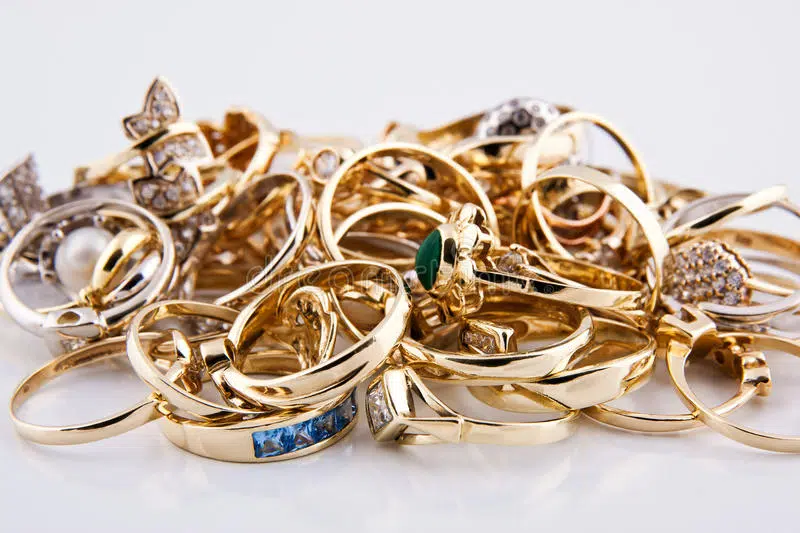
To reduce our impact on the environment, we are happy to propose to our customers the option of producing their products using 100% recycled materials:
- Recycled Gold
- Recycled Silver

Eco-brass Materials
"ECO BRASS is a lead-free (Pb-free) high performance copper alloy with superior properties to currently used alloys. ECO BRASS has high strength, excellent machinability, exceptional wear resistance, good creep properties, and superior corrosion resistance. Lead-free, lighter and stronger parts can reduce the environmental burden on society." (Öko-Institut)
We aim towards sustainability, which is why we produce our brass products with ECO BRASS.
Conflict-Free Diamonds and Other Materials
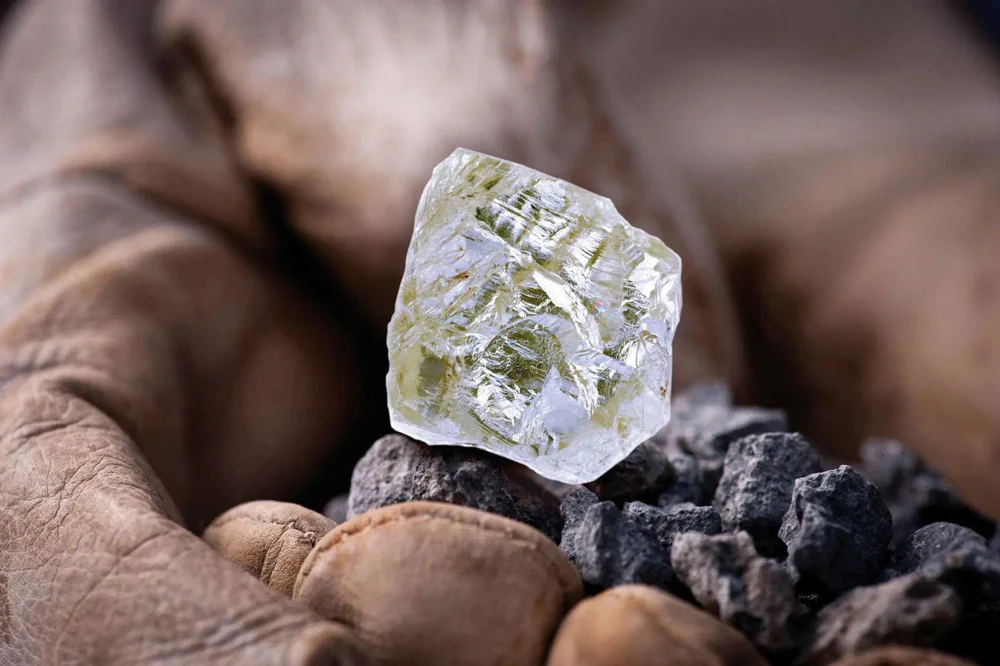
To ensure that diamonds are conflict-free and responsibly sourced, brands can use certifications like the Kimberley Process Certification Scheme (KPCS). They can also work with suppliers who adhere to ethical labor practices and environmental standards.
Kimberley Process: An international certification scheme that regulates the trade of rough diamonds to prevent conflict diamonds
RoHS Compliance
RoHS compliance means that a product has been tested for 10 banned substances by an independent authority, and that the tests confirmed levels of the substances below the RoHS threshold. Under RoHS 3, the latest version of the RoHS directive, the 10 substances restricted are:
- Cadmium
- Lead
- Hexavalent chromium
- Mercury
- Polybrominated biphenyls (PBB)
- Polybrominated diphenyl ethers (PBDE)
- Bis(2-ethylhexyl) phthalate (DEHP)
- Benzyl butyl phthalate (BBP)
- Dibutyl phthalate (DBP)
- Diisobutyl phthalate (DIBP)
REACH Compliance
REACH Compliance is based on the standard Regulation (EC) No 1907/2006 Regulation concerning the Registration, Evaluation, Authorisation and Restriction of Chemicals which establishes policy and procedures for collecting and assessing information on the properties and hazards of chemical substances.
There is 1000 chemical substances in the regulation but for jewelry the main concerns are :
- Lead
- Chromium
- Phthalates
- Polycyclic aromatic hydrocarbons
- Nickel
- Cadmium