Published on March 2, 2026
Turning Your Jewelry Vision into a Brand
To start a jewelry brand successfully, you need a clear vision, a solid jewelry brand business plan, and the right manufacturing partner. Maneekan Siam, a luxury jewelry manufacturer in Bangkok, Thailand with over 300 employees and 500,000+ pieces annual capacity, has helped dozens of jewelry entrepreneurs transform their creative visions into successful collections — and we have learned what separates the brands that thrive from those that struggle. This jewelry entrepreneur guide distills those lessons into an actionable eight-step roadmap.
Starting a jewelry brand is one of the most exciting ventures in the luxury goods industry. The global fine jewelry market is projected to exceed $340 billion by 2028, driven by growing demand for personalized, ethically sourced, and uniquely designed pieces. Whether you dream of launching a custom jewelry brand with minimalist gold pieces, a statement gemstone line, or an avant-garde jewelry line startup, the opportunity has never been greater.
In this comprehensive guide, we walk you through the eight essential steps to start your own jewelry brand — from defining your identity and drafting a jewelry brand business plan to finding the right manufacturing partner and scaling your business. Each step is informed by real-world experience working with jewelry line startups and established brands at every stage of growth.
Step 1: Define Your Brand Identity & Niche
Every successful jewelry brand starts with a clear identity. Before sketching a single design, you need to define who you are, what you stand for, and who you are creating jewelry for. Your brand identity encompasses your aesthetic vision, core values, price positioning, and the emotional connection you want to create with your customers. Are you building a luxury fine jewelry house, an accessible everyday brand, or a niche artisan label? The answer shapes every decision that follows.
Start by identifying your target audience — their lifestyle, purchasing habits, values, and the occasions they buy jewelry for. Then craft your brand story: the narrative that connects your personal journey, creative inspiration, and values into a compelling reason for customers to choose your custom jewelry brand over the thousands of others in the market. Brands with authentic stories and clear positioning consistently outperform those competing solely on product features or price. This foundational work becomes the cornerstone of your jewelry brand business plan.
Step 2: Conduct Market Research
Thorough market research separates prepared entrepreneurs from those who launch blindly. Study the competitive landscape: identify brands in your target segment, analyze their pricing strategies, bestselling products, marketing approaches, and customer reviews. Look for gaps in the market — underserved aesthetics, price points, or customer needs that your brand can uniquely address. Trade shows like JCK Las Vegas, Baselworld, and the Bangkok Gems & Jewelry Fair are invaluable for understanding current trends and meeting potential manufacturing partners.
Pay close attention to pricing architecture. Understand the full cost structure from raw materials and manufacturing to packaging, shipping, marketing, and retail margins. A common mistake for any jewelry line startup is underpricing products, leaving no room for wholesale partnerships or sustainable growth. Research what consumers in your target segment are willing to pay, and position your pricing to reflect both your brand value and your business model — whether direct-to-consumer, wholesale, or a hybrid approach. Every serious jewelry entrepreneur should document these findings in a formal business plan before proceeding.
Step 3: Create Your First Designs
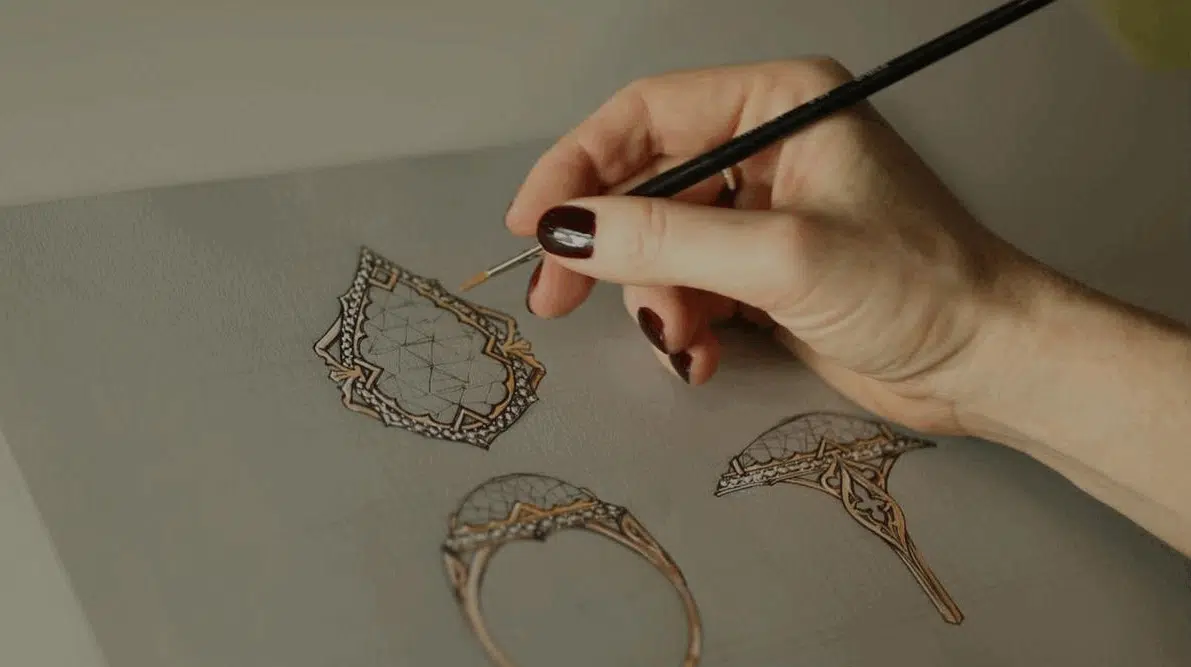
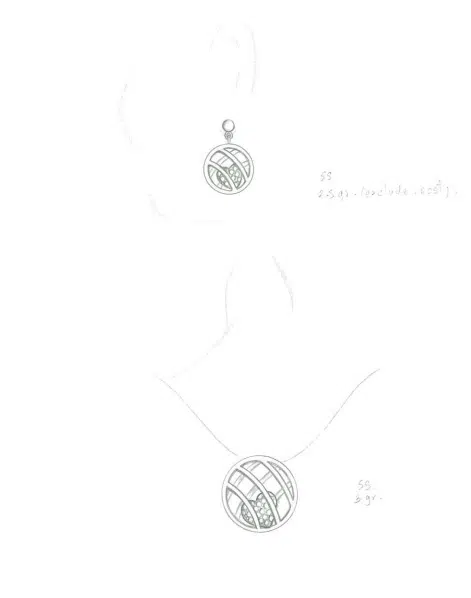
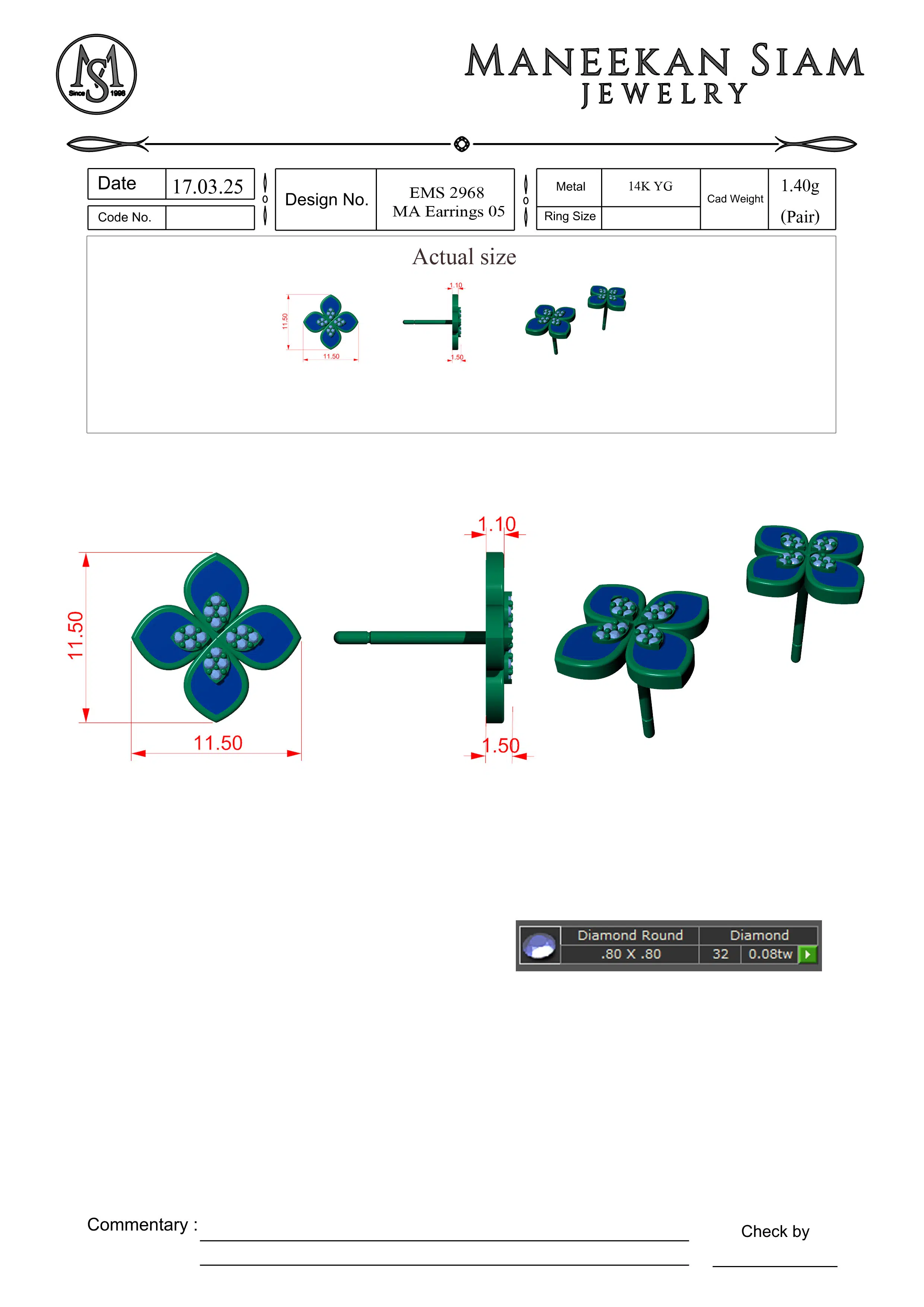
With your brand identity and market research in hand, it is time to bring your creative vision to life. Start with mood boards — collections of images, textures, color palettes, and references that capture the aesthetic direction of your first collection. You do not need to be a trained jewelry designer to create compelling designs. Many successful brand founders work with professional designers or leverage their manufacturer's in-house design team to translate their vision into technical drawings and CAD models.
Focus your first collection on a cohesive, manageable range — typically 8 to 15 SKUs that tell a unified story. Include a mix of core pieces (everyday essentials that will drive consistent sales) and statement pieces (bold designs that attract attention and define your custom jewelry brand aesthetic). Consider how pieces work together as a collection: can customers layer, stack, or mix pieces? Collections with strong cross-selling potential generate significantly higher average order values.
Step 4: Find the Right Manufacturing Partner
Choosing the right jewelry manufacturer is arguably the most consequential decision you will make as a new brand. Your manufacturing partner directly impacts your product quality, lead times, costs, and ability to scale. Look for a manufacturer with the technical capabilities to execute your designs at the quality level your brand demands — whether that involves precision stone setting, enameling, CNC guilloché, or specialized finishing techniques.
Key criteria to evaluate include production capabilities and specialization, certifications (RJC, ISO, TGJTA membership), minimum order quantities, communication quality, and whether the manufacturer offers vertical integration — handling everything from design and prototyping through casting, stone setting, finishing, and quality control under one roof. Vertically integrated manufacturers reduce the risk of miscommunication between separate suppliers and offer faster turnaround times.
Thailand has become a global hub for jewelry manufacturing, offering a rare combination of centuries-old craftsmanship tradition, advanced technology, competitive pricing, and ethical production standards. Bangkok-based manufacturers like Maneekan Siam provide jewelry line startups and established brands alike with the full spectrum of services — from initial concept development and CAD modeling to mass production and quality control — enabling you to start a jewelry brand and bring professional-quality pieces to market without managing multiple suppliers.
Step 5: Develop Prototypes & Samples
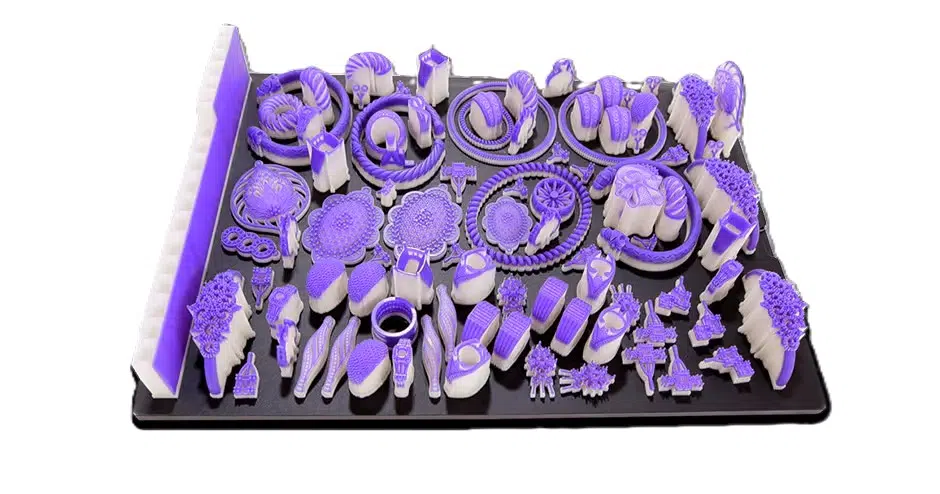
Prototyping is where your designs become tangible for the first time. The process typically begins with 3D CAD rendering, followed by 3D printing or traditional wax carving to create a physical model. This model is then used for casting, stone setting, and finishing to produce a sample that represents the final product. Expect to go through 1–3 rounds of sample refinement before approving a design for production. This iterative process is normal and essential for achieving the exact look, feel, weight, and quality you envision.
Use the sampling phase strategically. Beyond evaluating aesthetics, test the wearability, durability, and comfort of each piece. Assess the stone setting security, clasp functionality, and surface finish quality. Take professional photographs of approved samples for your marketing materials, e-commerce platform, and social media. Many manufacturers, including Maneekan Siam, offer overnight 3D printing with capacity for 300+ pieces, significantly accelerating the prototyping timeline.
Step 6: Plan Your Production
With approved samples in hand, it is time to plan your first production run. Work closely with your manufacturer to determine the optimal order quantity, balancing production efficiency with inventory management. Understand the minimum order quantities (MOQ) for each SKU and negotiate terms that align with your business stage. Many experienced manufacturers offer flexible MOQs for first-time orders, allowing you to test the market without overcommitting to inventory.
Develop a clear production timeline that accounts for material sourcing, casting, assembly, stone setting, finishing, quality control, and shipping. For a first collection, lead times typically range from 8 to 16 weeks from order confirmation to delivery. Build in buffer time for unexpected delays, and establish clear quality control standards with your manufacturer — including acceptable tolerance ranges, finish specifications, and inspection protocols. A rigorous QC process at the production stage prevents costly returns and protects your brand reputation from the very first order.
Step 7: Build Your Brand Online
In today's market, your online presence is your storefront. Invest in a professional e-commerce website that reflects your brand identity — clean design, high-quality product photography, compelling brand storytelling, and a seamless purchasing experience. Platforms like Shopify, WooCommerce, and Squarespace make it accessible to launch a polished online store without significant technical expertise. Prioritize mobile optimization, as over 70% of jewelry browsing now happens on mobile devices.
Social media is your most powerful marketing tool as an emerging brand. Instagram and Pinterest are particularly effective for jewelry, as they are visual-first platforms where customers discover and fall in love with new brands. Develop a consistent content strategy that blends product photography, behind-the-scenes manufacturing content, brand storytelling, and customer features. Invest in professional photography — jewelry is an inherently visual product, and the quality of your images directly impacts perceived value and conversion rates.
Step 8: Launch & Scale
Your launch strategy sets the trajectory for your brand. As a jewelry entrepreneur, consider a phased approach: build anticipation through social media teasers and email list building before opening sales. A compelling launch campaign should communicate your brand story, showcase your collection, and create urgency through limited-availability or exclusive early-access offers. Reach out to jewelry bloggers, stylists, and micro-influencers who align with your custom jewelry brand aesthetic for authentic product features and reviews.
Scaling a jewelry brand requires strategic thinking about production, distribution, and customer relationships. As demand grows, work with your manufacturing partner to increase production volumes while maintaining quality consistency. Explore wholesale partnerships with boutiques and department stores to expand your distribution beyond direct-to-consumer. Attend industry trade shows like JCK, Vicenzaoro, or the Hong Kong Jewellery Show to build relationships with retailers and press. Most importantly, listen to your customers — their feedback on designs, sizing, and preferences will inform your most successful future collections.
Frequently Asked Questions
How much does it cost to start a jewelry brand?
The cost to start a jewelry brand can range from $5,000 to $50,000+ depending on your approach, materials, and scale. A typical jewelry line startup budget includes design development ($500–$3,000), prototyping and sampling ($1,000–$5,000), first production run ($3,000–$20,000), branding and packaging ($1,000–$5,000), and e-commerce setup ($500–$3,000). Building a detailed jewelry brand business plan helps you prioritize spending. Working with a vertically integrated manufacturer like Maneekan Siam optimizes costs by combining design, prototyping, and production under one roof, reducing the need for multiple service providers.
Do I need design experience to start a jewelry brand?
No, you do not need formal design training to start a jewelry brand. Many successful brands are founded by entrepreneurs with a strong brand vision rather than technical design skills. A full-service jewelry manufacturer can translate your ideas — whether mood boards, rough sketches, or reference images — into professional CAD designs and production-ready files. Maneekan Siam offers complete design services from concept sketching through 3D CAD modeling, so you can focus on brand building while experts handle the technical design work.
What is the minimum quantity for a first production run?
Minimum order quantities (MOQ) vary significantly between manufacturers and product types. Small artisan workshops may accept orders as low as 10–25 pieces per design, while large-scale factories may require 500–1,000+ units per SKU. For emerging brands, look for a manufacturer that offers flexible MOQs for initial orders to allow you to test the market without overcommitting to inventory. Many established manufacturers work with new brands to find MOQ arrangements that balance production efficiency with manageable investment levels.
How long does it take to go from concept to finished product?
The typical timeline from initial concept to finished jewelry pieces ranges from 8 to 16 weeks. This includes design development (2–4 weeks), prototyping and sample approval (2–3 weeks), and production (4–8 weeks depending on complexity and order volume). Pieces requiring specialized techniques such as enameling, CNC guilloché, or custom stone cutting may require additional time. Building a strong relationship with your manufacturer and providing clear design briefs helps streamline the entire process.
Should I choose OEM or private label for my first collection?
For most jewelry entrepreneurs seeking strong differentiation, OEM (Original Equipment Manufacturing) is the recommended approach to start a jewelry brand. OEM gives you complete control over designs, materials, finishes, and branding — essential for building a unique custom jewelry brand identity. Private label, where you select from a manufacturer's existing catalog and add your branding, offers a faster and lower-cost route to market but limits your ability to create truly distinctive pieces. Consider starting with OEM for your signature pieces and potentially using private label for basic items to manage costs as you establish your brand.
Your Jewelry Brand Journey Starts Here
Starting a jewelry brand is a rewarding journey that combines creative passion with entrepreneurial ambition. The eight steps outlined in this jewelry entrepreneur guide — from defining your brand identity and building a jewelry brand business plan to finding the right manufacturing partner and scaling your business — provide a proven roadmap for turning your vision into a thriving custom jewelry brand. The key to success lies in thorough preparation, authentic brand storytelling, and choosing partners who share your commitment to quality and craftsmanship.
At Maneekan Siam, we have partnered with jewelry brands at every stage — from first-time entrepreneurs launching a jewelry line startup to established houses expanding their product lines. With 17 specialized manufacturing expertises, RJC certification, and a vertically integrated facility in Bangkok, we provide the technical capabilities, design support, and production flexibility that emerging brands need to compete at the highest level. Whether you are ready to start a jewelry brand from scratch, begin prototyping, or scale an existing collection, we would love to help bring your vision to life.