Published on March 2, 2026
Top Jewelry Trends Shaping 2026
What are the top jewelry trends for 2026? From the mainstream adoption of lab-grown diamonds to AI-powered design tools and a renewed emphasis on sustainability, the jewelry industry is undergoing one of its most transformative periods in decades. Maneekan Siam, a luxury jewelry manufacturer in Bangkok with over 300 skilled artisans, breaks down the trends that will define the market this year and beyond.
The global jewelry market is projected to surpass $340 billion in 2026, driven by rising demand in Asia-Pacific, the growing influence of Gen Z consumers, and technology-enabled personalization at scale. For brands and manufacturers alike, understanding these shifts is essential for staying competitive and meeting evolving consumer expectations.
In this article, we examine seven major jewelry industry trends for 2026 — covering materials, design technology, aesthetics, and market dynamics — along with actionable insights for brands looking to capitalize on these developments.
Lab-Grown Diamonds Go Mainstream
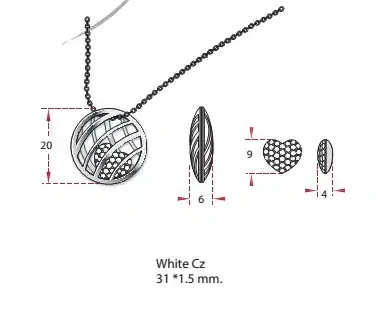
Lab-grown diamonds have moved decisively from niche alternative to mainstream market force. In 2026, lab-grown stones are expected to account for over 20% of the global diamond jewelry market, up from approximately 17% in 2024. Major retailers including Pandora, Signet Jewelers, and De Beers' Lightbox have expanded their lab-grown collections, signaling that consumer acceptance has reached a critical mass. The price differential — lab-grown diamonds typically cost 60-80% less than mined equivalents of comparable size, cut, clarity, and color — continues to attract value-conscious consumers without compromising on visual quality or durability.
For jewelry manufacturers, the lab-grown diamond trend creates both opportunities and challenges. Production planning must accommodate dual supply chains for natural and lab-grown stones. Design teams are creating collections specifically optimized for lab-grown diamonds, leveraging the lower stone cost to offer larger carat weights and more elaborate settings at accessible price points. At Maneekan Siam, we work with both natural and lab-grown diamonds, helping brands navigate the evolving diamond landscape with flexible sourcing and manufacturing solutions.
Sustainable & Recycled Materials
Sustainability has evolved from a marketing buzzword to a non-negotiable business requirement in the jewelry industry. In 2026, consumer demand for recycled gold and silver, ethically sourced gemstones, and transparent supply chains is stronger than ever. According to industry surveys, over 70% of millennial and Gen Z jewelry buyers consider sustainability credentials when making purchase decisions. Recycled precious metals — which require up to 99% less energy to process than newly mined material — are becoming the standard rather than the exception for forward-thinking jewelry brands.
Carbon-neutral manufacturing is emerging as the next frontier of sustainable jewelry production. Leading manufacturers are investing in solar energy, waste heat recovery systems, and certified carbon offset programs to reduce and neutralize their environmental footprint. Supply chain traceability — enabled by blockchain technology and digital certificates of origin — allows brands to provide verifiable proof of ethical sourcing from mine to market. At Maneekan Siam, our commitment to responsible manufacturing is demonstrated through our RJC certification, recycled metal programs, and ongoing investment in reducing our environmental impact.
AI-Assisted Design & Generative Tools
Artificial intelligence is reshaping the jewelry design process in 2026. Generative AI tools can now produce hundreds of design variations from a single text prompt, mood board, or reference image — dramatically accelerating the creative exploration phase. AI-powered CAD plugins for software like Rhino and Matrix Gold automate repetitive tasks such as prong placement, halo generation, and patterning, freeing designers to focus on creative decision-making and brand-specific aesthetic refinement.
Beyond concept generation, AI is being applied to design-for-manufacturability analysis — automatically evaluating whether a proposed design can be efficiently cast, set, and finished within production constraints. Machine learning algorithms trained on production data can predict potential manufacturing issues before prototyping, reducing sample rejection rates and accelerating time-to-market. However, the human element remains irreplaceable: experienced designers and master craftsmen are essential for translating AI-generated concepts into pieces that meet the exacting standards of luxury jewelry production.
Personalization & Customization at Scale
The demand for personalized and bespoke jewelry continues to accelerate in 2026, driven by consumers seeking unique pieces that reflect their individual identity. Made-to-order jewelry, custom engravings, birthstone selections, and modular designs that can be reconfigured by the wearer are among the fastest-growing segments of the market. E-commerce platforms with integrated 3D configurators allow consumers to design their own rings, pendants, and bracelets in real time, creating a direct-to-consumer customization experience that was unthinkable just five years ago.
For manufacturers, personalization at scale requires a combination of flexible production systems, advanced CAD capabilities, and efficient small-batch workflows. The ability to produce customized pieces without sacrificing quality or dramatically increasing lead times is becoming a key competitive differentiator. Maneekan Siam's vertically integrated production facility — with in-house CAD, 3D printing, casting, setting, engraving, and finishing — is ideally positioned to support brands offering customized jewelry programs, from single bespoke commissions to large-scale personalization platforms.
Bold Colors & Enamel Renaissance
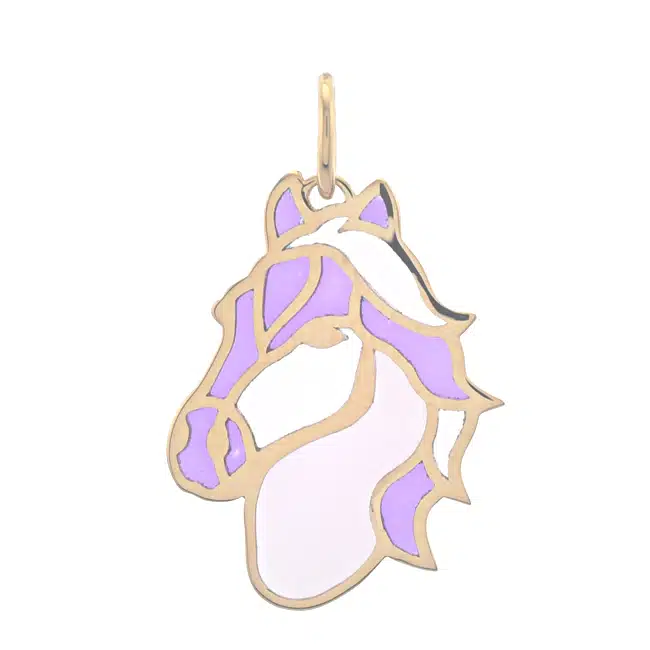
After years of minimalist, monochrome aesthetics dominating fine jewelry, 2026 marks a decisive return to color. Bold enamel work, vibrant colored gemstones, and fashion-forward color combinations are defining the most talked-about collections from both established luxury houses and emerging designers. Cloisonne and champlevé enameling techniques — once considered purely traditional — are being reinterpreted in contemporary contexts, with jewelers using unexpected color palettes, geometric patterns, and mixed-media compositions that bridge fine jewelry and wearable art.
Colored gemstones are experiencing a parallel surge in popularity. Tanzanite, tsavorite, padparadscha sapphires, and vivid tourmalines are commanding premium prices as collectors and consumers seek alternatives to the traditional diamond-centric paradigm. The trend toward color extends to metals as well, with rose gold, black rhodium, and PVD-coated finishes in colors like deep blue and forest green appearing in luxury collections. For manufacturers, this trend demands expertise in enameling, colored stone setting, and specialty plating — capabilities that distinguish technically advanced production partners from commodity manufacturers.
Mixed Metals & Textured Finishes
The traditional rule of matching all metals in a jewelry ensemble has been thoroughly retired. In 2026, mixed-metal designs that combine yellow gold with white gold, silver with rose gold, or platinum with blackened silver are among the most sought-after aesthetics. This trend reflects a broader shift toward individual expression and eclectic styling, as consumers layer and stack pieces from different collections and different metal families. Jewelry designers are embracing this by creating single pieces that intentionally incorporate two or three metal tones, producing a rich visual contrast that enhances design complexity.
Textured finishes are equally prominent in 2026 collections. Guilloche engine turning — a centuries-old technique experiencing a modern revival — creates mesmerizing geometric patterns on metal surfaces that catch and reflect light in distinctive ways. Sandblasted, hammered, brushed, and satin finishes are combined with high-polish elements within the same piece to create tactile and visual depth. This trend toward surface complexity rewards manufacturers with advanced CNC and finishing capabilities, as the precision required for techniques like guilloche demands specialized equipment and skilled operators.
2026 Jewelry Market: Key Data & Projections
The global jewelry market is projected to exceed $340 billion in 2026, representing a compound annual growth rate (CAGR) of approximately 4-5% from 2023. Fine jewelry continues to outpace fashion jewelry in growth, driven by consumer preference for lasting value and investment-grade pieces. The luxury segment — jewelry priced above $5,000 — is growing at approximately 6-7% annually, outperforming the broader market as high-net-worth consumers increase their spending on precious jewelry.
The Asia-Pacific region remains the primary engine of global jewelry market growth. China, India, and Southeast Asian nations are driving demand through rising disposable incomes, expanding middle classes, and deeply embedded cultural traditions of jewelry gifting and adornment. Thailand, as one of the world's leading jewelry manufacturing and export hubs, is well-positioned to capture this growth — with Bangkok serving as a strategic production base for brands targeting both Asian and Western markets.
E-commerce continues to reshape jewelry distribution. Online jewelry sales are growing at approximately 15-18% annually, with the channel expected to account for 25-30% of total jewelry sales by 2028. The proliferation of virtual try-on tools, augmented reality experiences, and AI-powered recommendation engines is reducing the traditional barrier of consumers being reluctant to purchase fine jewelry online. For manufacturers, this shift emphasizes the importance of high-quality product photography, consistent production quality, and the ability to fulfill smaller, more frequent orders driven by direct-to-consumer brands.
Frequently Asked Questions
What are the biggest jewelry trends for 2026?
The biggest jewelry trends for 2026 include the mainstream adoption of lab-grown diamonds, increased demand for sustainable and recycled materials, AI-assisted design and generative CAD tools, hyper-personalization and made-to-order pieces, bold enamel colors and vibrant gemstones, mixed metals and textured finishes like guilloche, and continued market growth driven by the Asia-Pacific region. The global jewelry market is projected to exceed $340 billion in 2026.
How is AI changing jewelry design in 2026?
AI is transforming jewelry design by automating repetitive CAD tasks, generating design variations from text prompts or mood boards, optimizing designs for manufacturability, and enabling mass customization at scale. Generative AI tools can produce hundreds of design iterations in minutes, allowing designers to explore creative possibilities faster than ever. However, human expertise remains essential for refining AI-generated concepts into production-ready designs that meet quality and aesthetic standards.
Is lab-grown diamond jewelry a lasting trend or a fad?
Lab-grown diamonds represent a lasting structural shift in the jewelry industry, not a temporary fad. Market data shows consistent year-over-year growth in lab-grown diamond sales, with the segment expected to capture over 20% of the total diamond jewelry market by 2027. Consumer acceptance has grown significantly as major retailers and luxury brands have launched dedicated lab-grown collections. The combination of lower price points, identical physical properties to mined diamonds, and a more sustainable production process supports long-term market viability.
What sustainable practices are trending in jewelry manufacturing?
Key sustainable practices trending in jewelry manufacturing for 2026 include the use of recycled gold and silver, traceable gemstone supply chains with blockchain verification, carbon-neutral manufacturing processes, reduced water and chemical usage in production, solar-powered factory operations, and RJC certification. Brands are increasingly expected to provide transparent sustainability reports and measurable environmental impact data to consumers and retail partners.
How large is the global jewelry market in 2026?
The global jewelry market is projected to exceed $340 billion in 2026, with a compound annual growth rate (CAGR) of approximately 4-5%. The Asia-Pacific region remains the fastest-growing market, driven by rising disposable incomes in China, India, and Southeast Asia. Fine jewelry continues to outperform fashion jewelry in growth rate, and the online jewelry sales channel is expanding at approximately 15-18% annually. Key growth drivers include increasing demand for personalized pieces, sustainable luxury, and lab-grown diamond jewelry.
Positioning Your Brand for 2026 and Beyond
The jewelry industry trends of 2026 — from lab-grown diamonds and sustainable materials to AI-assisted design and the enamel renaissance — reflect a market in dynamic transformation. Brands that anticipate and adapt to these shifts will gain significant competitive advantage, whether through adopting new materials, investing in technology-enabled design, or embracing the growing consumer demand for personalization, color, and ethical production. The common thread across all these trends is the need for manufacturing partners with the technical breadth, creative flexibility, and quality standards to bring innovative collections to market efficiently.
At Maneekan Siam, we are at the forefront of these industry developments. Our vertically integrated manufacturing facility in Bangkok — with capabilities spanning CAD design, 3D printing, CNC guilloche, enameling, stone setting, and finishing — enables us to produce pieces that align with every major trend covered in this guide. Whether you are developing a lab-grown diamond collection, launching a bold enamel line, or creating a customizable jewelry platform, our team of over 300 skilled artisans is ready to bring your vision to life with the precision and craftsmanship your brand demands.