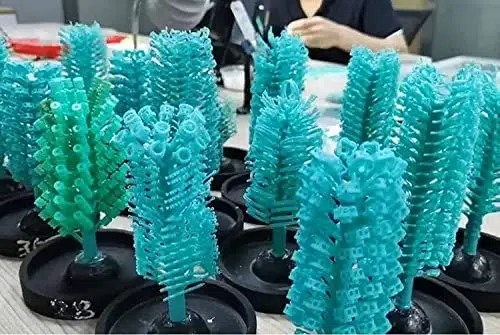
Published on March 2, 2026
Choosing the Right Manufacturing Model for Your Jewelry Brand
Maneekan Siam, a luxury jewelry manufacturer in Bangkok, Thailand with over 300 employees and 500,000+ pieces annual capacity, offers both OEM and private label jewelry manufacturing services. With decades of experience serving international brands across Europe, North America, and Asia, we understand that choosing between these two production models is one of the most consequential decisions a jewelry brand can make.
Whether you are launching a new jewelry line or scaling an established brand, the manufacturing model you select directly impacts your product uniqueness, profit margins, time to market, and long-term brand equity. OEM and private label manufacturing each offer distinct advantages — and the right choice depends on your brand's specific goals, budget, and market positioning.
In this comprehensive guide, we break down both models in detail, compare their key differences, and help you determine which approach aligns best with your business strategy. As a custom jewelry manufacturer with 17 specialized expertises and full vertical integration, Maneekan Siam is uniquely positioned to support brands through either pathway.
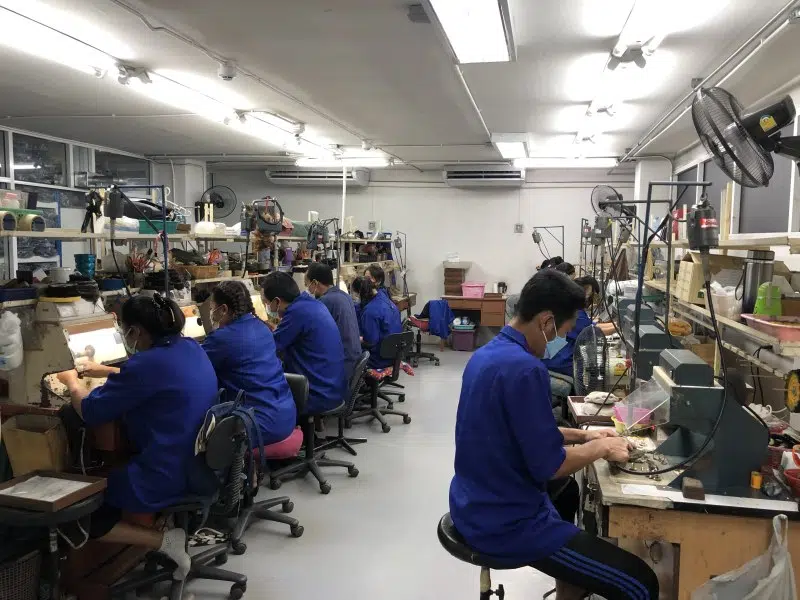
Understanding OEM Jewelry Manufacturing
What Is OEM Jewelry Manufacturing?
OEM (Original Equipment Manufacturer) jewelry manufacturing is a production model where a manufacturer produces jewelry pieces entirely according to the client's proprietary designs, specifications, and technical requirements. The brand provides the creative direction — including CAD files, materials, dimensions, stone specifications, and finishing details — and the OEM jewelry manufacturer brings those designs to life using their production expertise, equipment, and skilled workforce. In this model, the intellectual property and design ownership remain entirely with the brand. The manufacturer acts as a specialized production partner, contributing technical knowledge about manufacturability, material behavior, and cost optimization while faithfully executing the client's vision.
How OEM Jewelry Manufacturing Works
The OEM process typically begins with a design consultation where the brand shares technical drawings, CAD models, or detailed sketches with the manufacturer. At Maneekan Siam, our design team reviews each project for manufacturability and provides feedback on material selection, structural integrity, and production efficiency. Once specifications are finalized, we create a prototype — often using 3D printing or traditional wax carving — for the client's approval. After prototype sign-off, production moves through our vertically integrated facility: from casting and metal fabrication to stone setting, enameling, finishing, quality control, and packaging. Throughout the process, the brand maintains full creative control and receives regular progress updates. Lead times for OEM jewelry mass production in Thailand typically range from 6 to 10 weeks depending on complexity and order volume.
Pros and Cons of OEM Manufacturing
Advantages: OEM manufacturing gives brands complete design ownership and creative control. Your jewelry designs are exclusive to your brand, creating genuine product differentiation in a competitive market. You control every detail — from metal alloy composition and stone grades to plating thickness and clasp mechanisms. This exclusivity builds stronger brand equity over time and allows you to develop a truly distinctive product line that competitors cannot replicate. OEM also provides flexibility to innovate with unique techniques such as guilloché, cloisonné enameling, or precision CNC stone carving — specialized capabilities that a manufacturer like Maneekan Siam offers.
Considerations: OEM requires a larger upfront investment in design development, prototyping, and tooling. The development cycle is longer because each design must be engineered, sampled, and approved before mass production begins. Minimum order quantities (MOQs) tend to be higher since custom tooling and molds are created specifically for your designs. Brands also need either in-house design capabilities or a reliable freelance design team to provide production-ready specifications to the manufacturer.
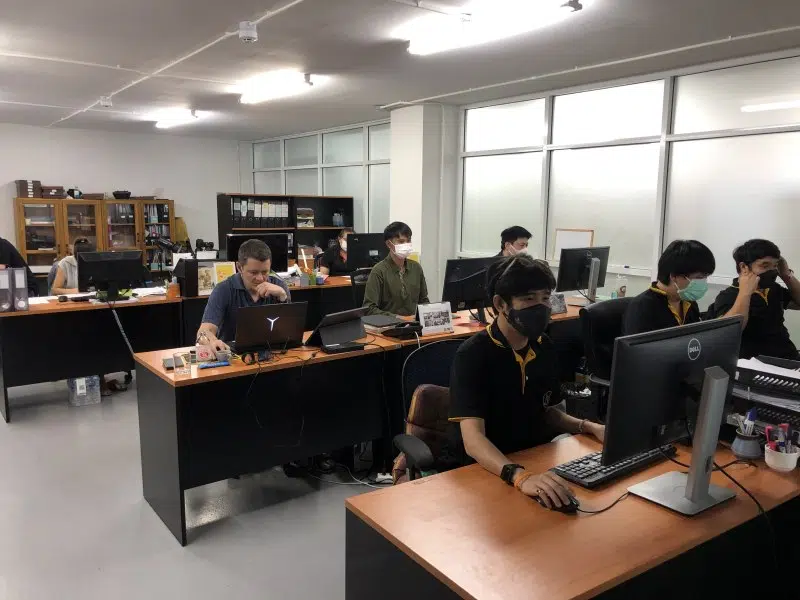
Understanding Private Label Jewelry
What Is Private Label Jewelry Manufacturing?
Private label jewelry manufacturing is a model where brands select from a manufacturer's existing catalog of proven designs and customize them with their own branding, logo, packaging, and minor design modifications such as metal type, stone selection, plating color, or surface finish. The manufacturer has already invested in design development, prototyping, and production tooling — so the brand benefits from a ready-made product foundation. Private label is widely used by retail chains, fashion brands entering the jewelry market, e-commerce startups, and brands that want to offer jewelry alongside their core product lines without the investment of building a design team from scratch.
How Private Label Jewelry Works
The private label process begins with the brand reviewing the manufacturer's existing design catalog. At Maneekan Siam, our catalog spans thousands of designs across gold, silver, platinum, and brass jewelry — including rings, earrings, necklaces, bracelets, and brooches. The brand selects designs that align with their aesthetic and target market, then specifies customizations: metal type (such as 14K or 18K gold, 925 sterling silver), stone type and grade, plating options, engraving or logo placement, and packaging requirements. We produce a customized sample for approval, and once confirmed, proceed to bulk production. The entire process — from catalog selection to finished goods — can be completed in as few as 4 to 6 weeks, significantly faster than OEM development cycles.
Pros and Cons of Private Label Manufacturing
Advantages: Private label manufacturing offers the fastest route to market with the lowest upfront investment. Because the manufacturer has already refined designs through production, you benefit from proven manufacturability, established quality benchmarks, and predictable pricing. MOQs are typically lower since existing molds and tooling are already available. This model is ideal for brands testing new market segments, seasonal collections, or expanding product categories without committing to full-scale design development.
Considerations: The primary trade-off is design exclusivity. Since private label designs originate from the manufacturer's catalog, other brands may offer similar pieces — though customization options help differentiate. You have less control over the fundamental design architecture, and the products may not fully reflect your brand's unique design language. Over time, brands that rely exclusively on private label may find it harder to build distinctive brand recognition compared to those offering proprietary OEM designs.
OEM vs Private Label: Key Differences
Design Ownership & Exclusivity
This is the most fundamental distinction. With OEM manufacturing, you own the designs entirely — they are exclusive to your brand and cannot be sold to other clients. With private label, the base designs belong to the manufacturer's catalog, and while your customizations are unique, the underlying design architecture may be shared. For luxury and premium brands where design exclusivity is a core value proposition, OEM is typically the preferred model. For brands competing primarily on price, brand awareness, or speed to market, private label can be highly effective.
Investment & Cost Structure
OEM requires higher upfront investment in design development, CAD engineering, prototyping, and custom tooling — typically adding 15-30% to initial per-piece costs compared to private label. However, as production volumes increase, per-unit costs normalize and the investment in proprietary design becomes a long-term competitive asset. Private label offers lower entry costs since development expenses are amortized across multiple clients, making it an attractive option for brands with limited initial capital or those testing market viability.
Time to Market
Private label manufacturing is significantly faster. Since designs already exist and production processes are established, brands can move from catalog selection to finished product in 4-6 weeks. OEM development requires an additional 3-6 weeks for design engineering, prototyping, and sample approval before production begins, bringing the total timeline to 8-12 weeks. For brands working with seasonal collections or fast-moving fashion cycles, this time difference can be strategically significant.
Minimum Order Quantities
OEM MOQs are generally higher — often 100-500 pieces per design — because custom molds, dies, and production setups must be created for each unique piece. Private label MOQs are lower, sometimes as few as 50 pieces per design, because existing production tooling is already in place. At Maneekan Siam, we work with brands to find flexible MOQ solutions for both models, leveraging our large-scale production capacity of over 500,000 pieces annually to offer competitive terms.
Brand Building & Long-Term Value
OEM manufacturing builds stronger long-term brand equity because every product is unique and proprietary. This exclusivity supports higher retail pricing, stronger customer loyalty, and a defensible market position. Private label builds brand awareness more quickly and generates revenue faster, but the brand's competitive advantage relies more heavily on marketing, customer experience, and brand storytelling rather than product uniqueness. Many successful brands use a hybrid approach — launching with private label to establish market presence, then gradually transitioning to OEM as they invest in proprietary design capabilities.
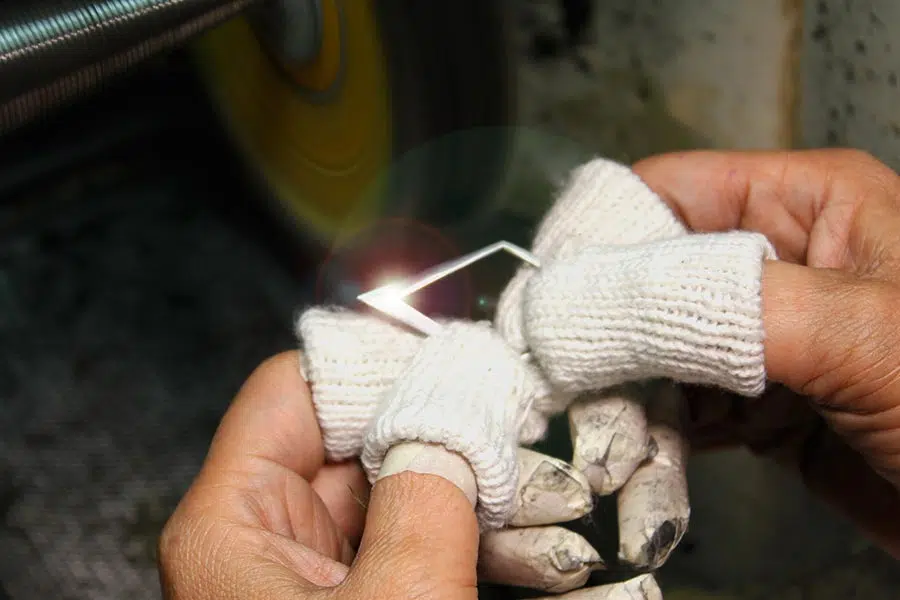
Which Model Is Right for Your Brand?
The right manufacturing model depends on your brand's stage, strategy, and resources. Here are the key criteria to help you decide:
Choose OEM If You Have Proprietary Designs
If your brand's identity is built on unique, original jewelry designs and you have in-house or freelance design capabilities to produce production-ready CAD files and technical specifications, OEM manufacturing is the ideal path. This model is best for established luxury brands, designer labels, and brands with a clear design DNA that differentiates them in the market. Manufacturers with broad expertise — like Maneekan Siam's 17 specialized services including mass production, design, stone setting, enameling, and CNC work — provide the technical capabilities to execute even the most complex proprietary designs.
Choose Private Label for Speed and Lower Risk
If you are launching a new jewelry brand, expanding into jewelry from another product category, or testing a new market segment, private label offers a lower-risk entry point. You benefit from proven designs, faster time to market, and lower MOQs — allowing you to validate market demand before investing in custom design development. Fashion brands, retail chains, and e-commerce entrepreneurs frequently start with private label to build their customer base and revenue stream.
Consider a Hybrid Approach
Many of Maneekan Siam's most successful brand partners use a combination of both models. They launch with a core collection of private label pieces to establish market presence and generate initial sales, then gradually introduce proprietary OEM designs as they learn their customers' preferences and invest in design development. This hybrid strategy minimizes risk while building toward long-term brand exclusivity. A vertically integrated manufacturer that offers both OEM and private label services makes this transition seamless.
Evaluate Your Production Partner Carefully
Regardless of which model you choose, your manufacturer's capabilities are critical. Look for a jewelry brand manufacturer with full vertical integration, meaning they handle design, casting, stone setting, finishing, quality control, and packaging under one roof. Verify certifications like RJC membership and TGJTA accreditation. Assess their production capacity — a manufacturer producing 500,000+ pieces annually can offer both the scale for large orders and the flexibility for smaller batches. Visit the facility if possible, request samples, and ensure their communication and transparency meet your standards.
Frequently Asked Questions
What is OEM jewelry manufacturing?
OEM (Original Equipment Manufacturer) jewelry manufacturing is a production model where a manufacturer produces jewelry pieces entirely according to the client's proprietary designs, specifications, and technical requirements. The brand provides the creative direction — including CAD files, materials, dimensions, and finishing details — and the OEM manufacturer brings those designs to life using their production expertise and equipment. Design ownership and intellectual property remain with the brand.
What is private label jewelry?
Private label jewelry manufacturing is a model where brands select from a manufacturer's existing catalog of proven designs and customize them with their own branding, logo, packaging, and minor design modifications such as metal type, stone selection, or finish. The manufacturer handles design development, and the brand focuses on marketing and sales. It offers a faster route to market with lower upfront investment compared to OEM manufacturing.
Which is better for a startup jewelry brand?
For most startup jewelry brands, private label manufacturing offers a lower-risk entry point. It requires less upfront investment in design development, offers faster time to market, and allows you to test market demand before investing in custom OEM designs. However, if your brand's core value proposition is unique, proprietary design, OEM may be worth the additional investment from the start. Many successful brands use a hybrid approach — starting with private label and gradually transitioning to OEM.
What are the MOQs for OEM vs private label?
MOQs (Minimum Order Quantities) vary by manufacturer and production model. OEM jewelry typically requires higher MOQs — often 100 to 500 pieces per design — because custom tooling, molds, and setup are required for each unique piece. Private label MOQs tend to be lower, sometimes as few as 50 pieces per design, since the manufacturer already has existing molds and production processes in place. At Maneekan Siam, we work with brands to find flexible solutions for both models.
Can I switch from private label to OEM later?
Yes, many successful jewelry brands start with private label manufacturing to establish their market presence and generate revenue, then gradually transition to OEM as they develop proprietary designs and build sufficient order volume. A manufacturer like Maneekan Siam that offers both OEM and private label services makes this transition seamless, as you can leverage the existing production relationship, quality standards, and manufacturing expertise throughout your brand's growth.
Partner with an Experienced Jewelry Manufacturer
Whether you choose OEM, private label, or a hybrid approach, the success of your jewelry brand depends heavily on your manufacturing partner's capabilities, reliability, and commitment to quality. Maneekan Siam's fully vertically integrated facility in Bangkok — with 17 specialized expertises, RJC certification, and over 500,000 pieces annual capacity — provides the technical versatility and production scale to support your brand through either manufacturing model.
From initial design consultation and prototyping through jewelry mass production in Thailand and final quality control, our team works closely with brands at every stage. We invite you to explore our production capabilities, review our expertise in mass production, design services, and specialized techniques, and discover why leading jewelry brands worldwide trust Maneekan Siam as their custom jewelry manufacturer.