Published on March 3, 2026
Understanding the Gold Standard of Ethical Jewelry Certification
In an industry where consumer awareness of ethical sourcing and responsible business practices has never been higher, RJC certification has emerged as the most recognized and respected standard in the global jewelry supply chain. Whether you are a brand owner sourcing from manufacturers, a retailer selecting suppliers, or a consumer seeking assurance that your jewelry was produced responsibly, understanding RJC certification is essential.
The Responsible Jewellery Council (RJC) was established to promote responsible ethical, social, and environmental practices throughout the jewelry supply chain — from mine to retail. Its certification program provides a rigorous, independently audited framework that covers everything from human rights and labor standards to environmental management and product integrity.
In this comprehensive guide, we explain what RJC certification is, why it matters for jewelry brands and consumers alike, what the certification process involves, and how to evaluate whether a manufacturer holds genuine RJC credentials. As an RJC certified manufacturer, Maneekan Siam is proud to share our firsthand perspective on what this certification means in practice.
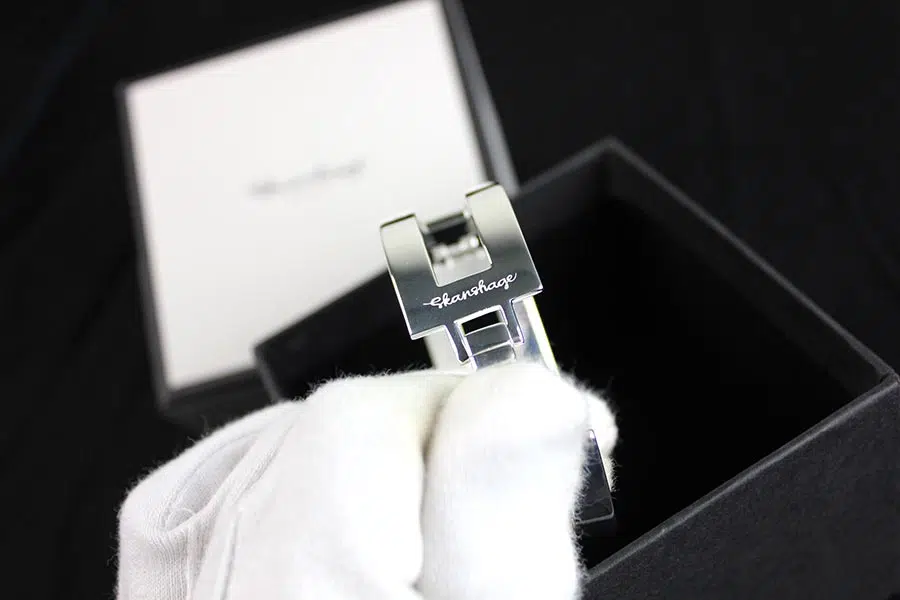
What is the Responsible Jewellery Council?
The Responsible Jewellery Council (RJC) is a not-for-profit standards-setting and certification organization founded in 2005. It was created through collaboration among leading jewelry industry stakeholders — including major luxury brands, mining companies, refiners, and manufacturers — to establish a common standard for responsible business practices across the entire jewelry supply chain.
The RJC's Code of Practices (COP) is the core standard against which members are audited and certified. The COP covers a comprehensive range of topics including business ethics, human rights, labor rights, health and safety, environmental management, responsible sourcing of precious metals and gemstones, and product disclosure. Members must demonstrate compliance with all applicable provisions through an independent third-party audit conducted by accredited auditors.
Today, the RJC has over 1,600 member companies spanning more than 70 countries, covering every stage of the jewelry supply chain from mining and refining to manufacturing, wholesaling, and retail. RJC certification has become the de facto standard that major luxury brands require of their supply chain partners, making it an essential credential for any serious jewelry manufacturer.
Why RJC Certification Matters
Building Consumer Trust
Modern consumers — particularly younger demographics — increasingly demand transparency about how their products are made. A 2024 McKinsey report found that over 65% of jewelry consumers consider ethical sourcing important in their purchasing decisions. RJC certification provides credible, third-party verification that a company operates responsibly, giving brands a powerful tool to build trust with their customers and differentiate themselves in an increasingly conscious marketplace.
Supply Chain Integrity
The jewelry supply chain is complex, spanning multiple countries and involving numerous intermediaries from mine to finished product. RJC certification ensures that certified members maintain documented, auditable processes for responsible sourcing, due diligence on suppliers, and traceability of precious materials. This systematic approach to supply chain management reduces the risk of conflict minerals, money laundering, and other illicit activities entering the supply chain — protecting both the certified company and its brand partners.
Regulatory Compliance
Governments worldwide are implementing stricter regulations around supply chain due diligence, conflict minerals, and environmental responsibility. The EU's Corporate Sustainability Due Diligence Directive (CSDDD), the US Dodd-Frank Act's conflict minerals provisions, and similar legislation in other jurisdictions create compliance obligations that RJC certification helps companies meet. By aligning business practices with the RJC Code of Practices, companies position themselves ahead of evolving regulatory requirements rather than scrambling to comply after new rules take effect.
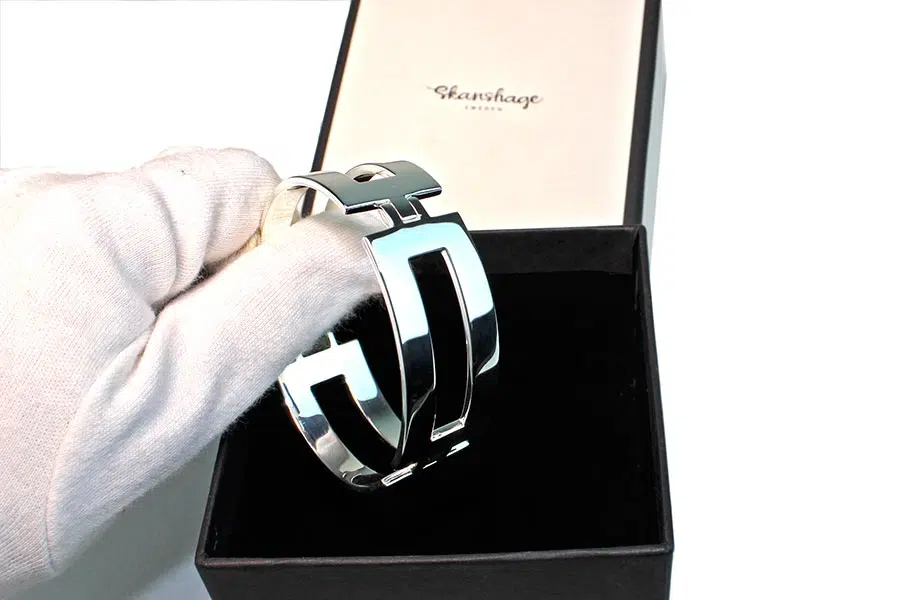
The RJC Certification Process
Step 1: Membership Application
The certification journey begins with applying for RJC membership. Companies must provide information about their business activities, supply chain scope, and operational locations. The RJC reviews applications to confirm eligibility — the organization covers the full supply chain from mining and refining to manufacturing, trading, and retail. Membership fees are based on company revenue, making the program accessible to businesses of all sizes. Upon acceptance, new members commit to achieving certification within two years.
Step 2: Self-Assessment and Gap Analysis
Once accepted as a member, the company conducts a thorough self-assessment against the RJC Code of Practices. This involves reviewing existing policies, procedures, and management systems against each COP provision to identify gaps that need to be addressed before the formal audit. Many companies engage consultants or use the RJC's self-assessment toolkit to guide this process. The gap analysis phase is critical — it allows companies to build or strengthen the management systems, documentation, and operational procedures needed for successful certification.
Step 3: Third-Party Audit
The formal certification audit is conducted by an independent, RJC-accredited auditor. The audit involves a comprehensive review of the company's policies, procedures, records, and operational practices against every applicable provision of the Code of Practices. This includes document review, staff interviews, site inspections, and verification of supplier due diligence processes. The auditor assesses each provision as conforming, minor non-conformance, or major non-conformance. Any non-conformances must be addressed within a specified timeframe before certification can be granted.
Step 4: Certification and Ongoing Compliance
Upon successful completion of the audit and resolution of any non-conformances, the company receives RJC certification valid for three years. However, certification is not a one-time achievement — certified members must maintain their systems and practices continuously and undergo a re-certification audit every three years. The RJC also conducts periodic reviews and may require mid-term reviews for companies where significant changes occur. This ongoing oversight ensures that certification represents a genuine, sustained commitment to responsible practices rather than a point-in-time snapshot.
Benefits of RJC Certification for Jewelry Brands
Enhanced Brand Reputation
Working with RJC certified manufacturers and suppliers sends a clear signal to customers, partners, and stakeholders that your brand takes ethical responsibility seriously. In a market where greenwashing and unsubstantiated claims are increasingly scrutinized, RJC certification provides independently verified credibility. Brands can reference their partners' RJC certification in marketing materials, sustainability reports, and customer communications with confidence that the claim is backed by rigorous third-party verification.
Access to Premium Markets
Many major luxury groups and retailers now require RJC certification as a condition of doing business with manufacturers and suppliers. Richemont, LVMH, Kering, Signet Jewelers, and other industry leaders have integrated RJC certification into their supplier qualification processes. For manufacturers, achieving RJC certification opens doors to these premium market segments. For brands sourcing from RJC certified manufacturers, it simplifies their own compliance obligations and strengthens their supply chain credentials.
Supply Chain Risk Mitigation
Sourcing from RJC certified partners significantly reduces supply chain risks including exposure to conflict minerals, unethical labor practices, environmental violations, and regulatory non-compliance. The RJC's due diligence framework requires certified members to know their suppliers, assess risks, and implement controls — creating a documented, auditable chain of responsibility. For brands, this translates to reduced reputational risk, regulatory risk, and operational risk across their supply chain.
Demonstrable Sustainability Commitment
As ESG (Environmental, Social, and Governance) reporting becomes standard practice, brands need credible evidence of their sustainability efforts. RJC certification provides a recognized framework for demonstrating responsible practices across environmental management, social responsibility, and governance. This evidence is valuable for annual sustainability reports, investor communications, and retail partner requirements that increasingly demand documented ESG performance from suppliers and their supply chains.
Learn about Maneekan Siam's sustainability commitment →Notable RJC Members
The Responsible Jewellery Council's membership includes many of the world's most prestigious jewelry and luxury goods companies. Cartier, Chanel, Tiffany & Co., Bulgari, Van Cleef & Arpels, Chopard, Pandora, and De Beers are among the renowned brands that hold RJC certification. Mining companies such as Rio Tinto and Anglo American, refiners like Metalor and PAMP, and major retail groups including Signet Jewelers are also certified members — demonstrating that RJC standards span the entire supply chain from extraction to consumer.
Maneekan Siam is proud to stand alongside these industry leaders as an RJC certified member. Our certification reflects our commitment to the same ethical, environmental, and professional standards upheld by the world's leading luxury houses. For brands seeking a manufacturing partner with verified responsible practices, our RJC certification provides the independent assurance that our operations meet the highest industry standards.
Key Standards Covered by RJC Certification
Human Rights
The RJC Code of Practices requires certified members to respect and support internationally recognized human rights as defined by the UN Guiding Principles on Business and Human Rights. This includes conducting human rights due diligence across operations and supply chains, establishing grievance mechanisms, and remediating any adverse human rights impacts identified. For jewelry manufacturers, this means ensuring that no forced labor, child labor, or human trafficking exists anywhere in their supply chain — from the mines that produce raw materials to the workshops that finish the final product.
Labor Rights and Working Conditions
RJC certification addresses labor rights comprehensively, covering freedom of association, collective bargaining, non-discrimination, fair wages, working hours, and occupational health and safety. Certified manufacturers must maintain documented policies and procedures that comply with ILO (International Labour Organization) core conventions and local labor legislation, whichever provides greater protection. Regular health and safety audits, worker training programs, and accessible complaint mechanisms are among the requirements that ensure employees work in safe, fair, and dignified conditions.
Environmental Responsibility
Environmental management is a core pillar of RJC certification. Certified companies must identify and manage their environmental impacts, including energy consumption, greenhouse gas emissions, water use, waste generation, and chemical management. The standard requires documented environmental management systems, pollution prevention measures, and continuous improvement targets. For jewelry manufacturers, this encompasses responsible handling of chemicals used in plating, polishing, and cleaning processes, proper waste water treatment, and energy efficiency initiatives throughout the production facility.
Responsible Mining and Sourcing Practices
RJC certification requires robust due diligence on the sourcing of precious metals, diamonds, and colored gemstones. Certified members must implement risk-based supply chain due diligence aligned with the OECD Due Diligence Guidance for Responsible Supply Chains of Minerals from Conflict-Affected and High-Risk Areas. This means knowing the origin of materials, assessing risks associated with suppliers, and taking appropriate action when risks are identified. The standard specifically addresses conflict minerals, ensuring that certified companies do not contribute to armed conflict, human rights abuses, or illicit financial flows through their sourcing practices.
Product Disclosure and Integrity
The RJC Code of Practices requires accurate and honest product disclosure, including proper hallmarking, accurate gemstone grading, and truthful representation of materials and treatments. Certified manufacturers must maintain quality management systems that ensure products meet stated specifications, and they must disclose any treatments or enhancements applied to gemstones. This provision protects consumers and brand partners by ensuring that what is stated about a product — its metal purity, stone origin, treatment status, and other characteristics — is accurate and verifiable.
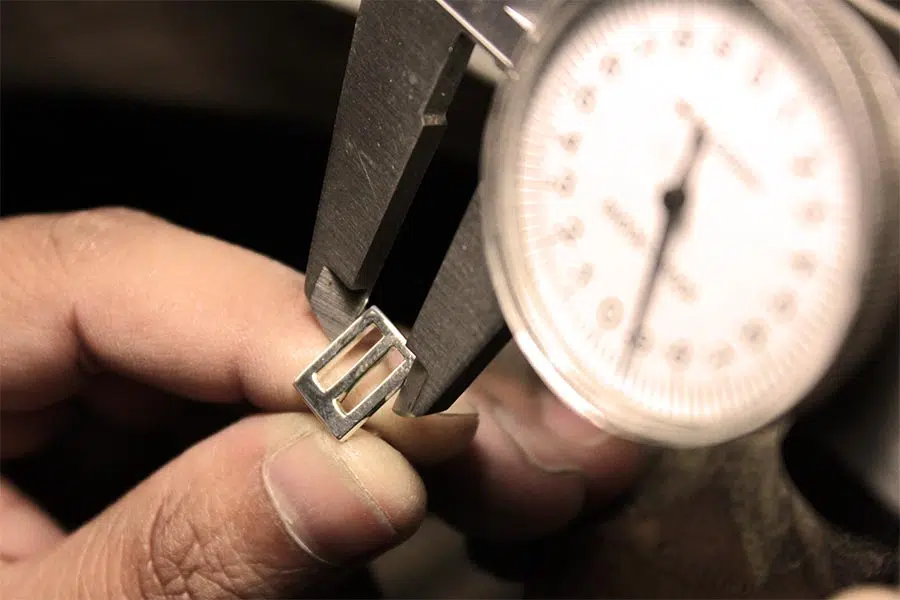
How to Choose an RJC Certified Manufacturer
Verify Certification Status
Always verify a manufacturer's RJC certification through the official RJC member directory at responsiblejewellery.com. The directory shows each member's certification status, certification type (COP or Chain of Custody), and certification dates. Be cautious of companies that claim RJC membership but cannot provide certification documentation or whose status is listed as expired or suspended in the directory. Genuine RJC certified companies will readily share their certification details and are transparent about their compliance status.
Assess Transparency and Documentation
An RJC certified manufacturer should be willing to share information about their responsible business practices openly. Ask for their responsible sourcing policy, environmental management documentation, and supplier due diligence procedures. Companies that are genuinely committed to RJC standards — rather than treating certification as a mere marketing tool — will demonstrate comprehensive management systems, regular employee training, and documented continuous improvement processes. The depth and quality of their documentation reflects the seriousness of their commitment.
Evaluate Material Traceability
Ask potential manufacturing partners about their material traceability capabilities. Can they document the origin of precious metals and gemstones used in your products? Do they work with certified refiners and responsible suppliers? A manufacturer with strong traceability systems can provide documentation showing the chain of custody for materials used in production — an increasingly important requirement for brands that need to substantiate ethical sourcing claims to their customers and comply with supply chain due diligence legislation.
Review Environmental and Social Practices
Look beyond the certificate itself and evaluate the manufacturer's actual environmental and social practices. Visit the facility if possible, observe working conditions, and ask about specific initiatives such as waste reduction programs, energy efficiency measures, worker welfare programs, and community engagement. A manufacturer that truly embodies RJC principles will demonstrate responsible practices that go beyond the minimum requirements — showing genuine commitment to environmental stewardship and social responsibility throughout their operations.
Frequently Asked Questions
What does RJC certification mean for a jewelry manufacturer?
RJC certification means that a jewelry manufacturer has been independently audited and verified to meet the Responsible Jewellery Council's Code of Practices. This covers ethical business practices, human rights, labor rights, environmental responsibility, product integrity, and responsible sourcing throughout the supply chain. For brands sourcing from an RJC certified manufacturer, it provides third-party assurance that their production partner operates to the highest ethical and professional standards in the jewelry industry.
How long does RJC certification take?
The RJC certification process typically takes between 6 and 18 months from initial membership application to certification. The timeline depends on the size and complexity of the organization, its existing management systems, and any gaps identified during the self-assessment phase. Companies with established quality management and compliance systems may progress faster, while those building new systems from scratch will require more preparation time before the third-party audit.
Is RJC certification mandatory for jewelry companies?
RJC certification is voluntary, not legally mandatory. However, it is increasingly becoming a de facto requirement for companies that wish to work with major luxury brands, many of whom now require their supply chain partners to hold RJC certification. The certification also provides a competitive advantage in markets where consumers and retailers demand verified ethical sourcing and responsible business practices. As regulatory requirements around supply chain due diligence increase globally, RJC certification helps companies stay ahead of compliance requirements.
What is the difference between RJC COP and Chain of Custody certification?
The RJC offers two distinct certifications. The Code of Practices (COP) certification covers responsible business practices across the entire operation, including human rights, labor practices, environmental management, and product integrity. Chain of Custody (CoC) certification is an additional, voluntary certification that specifically tracks the flow of precious metals and diamonds through the supply chain, providing full traceability from source to finished product. CoC certification builds on COP certification and is particularly relevant for brands that need to demonstrate complete material traceability to their customers.
How can I verify if a jewelry manufacturer is RJC certified?
You can verify RJC certification status through the official RJC member directory on the Responsible Jewellery Council website (responsiblejewellery.com). The directory lists all certified members along with their certification type, certification date, and the scope of their certification. You can also ask the manufacturer directly for their RJC certification number and audit report summary. Legitimate RJC certified companies will readily provide this documentation and may display the RJC logo on their website and marketing materials.
Partner with an RJC Certified Manufacturer
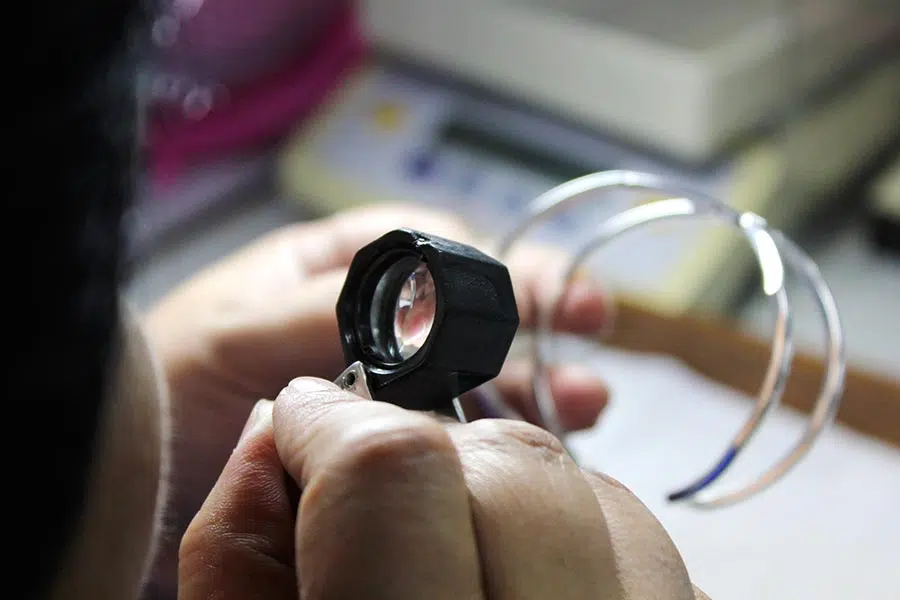
RJC certification represents the highest standard of responsible business practices in the global jewelry industry. For brands that value ethical sourcing, environmental stewardship, and transparent supply chains, choosing an RJC certified manufacturing partner is one of the most meaningful decisions you can make. It protects your brand reputation, satisfies increasingly stringent regulatory requirements, and demonstrates genuine commitment to responsible practices that today's consumers expect.
At Maneekan Siam, our RJC certification is a reflection of the values that guide our entire operation — from how we source materials and treat our employees to how we manage our environmental impact and ensure product integrity. With over 300 skilled artisans, 17 specialized departments, and a vertically integrated manufacturing facility in Bangkok, we combine ethical responsibility with the technical expertise and production capabilities that luxury brands demand. Contact us to learn how our RJC certified manufacturing services can support your brand's commitment to responsible jewelry production.