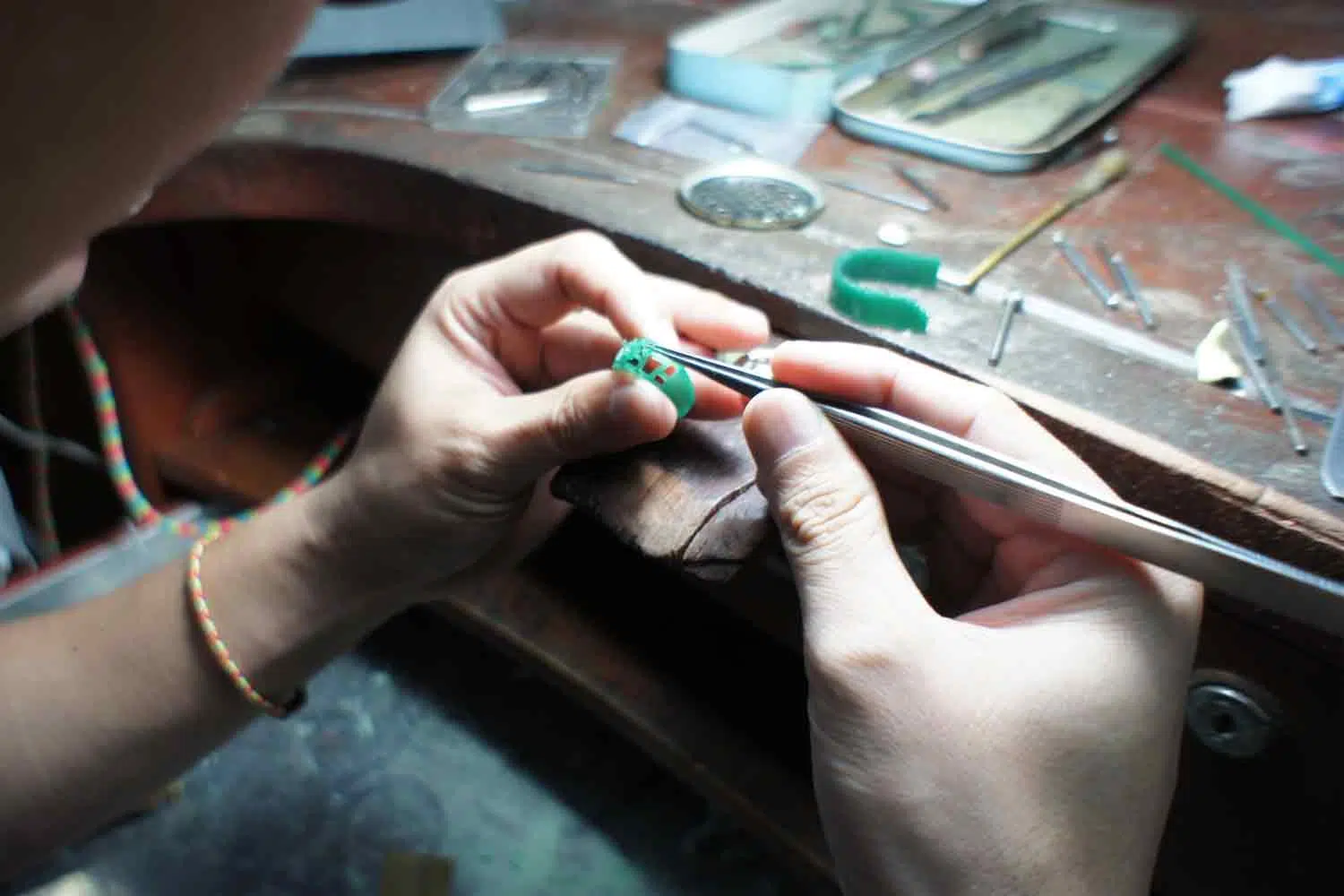
Published on March 3, 2026
The Rise of Sustainability in Jewelry Manufacturing
Sustainability is no longer optional in the jewelry industry — it is a strategic imperative. As consumers, regulators, and retailers demand greater environmental accountability, jewelry manufacturers must adapt their processes to minimize ecological impact while maintaining the quality and craftsmanship that define luxury. From recycled precious metals to carbon-neutral production, sustainable jewelry manufacturing represents both an ethical commitment and a competitive advantage.
The global sustainable jewelry market is projected to grow from $58.5 billion to $97.8 billion in the coming years, driven by consumer awareness of environmental and social issues across supply chains. Brands that partner with manufacturers committed to responsible practices position themselves to capture this growing demand and build lasting consumer trust.
In this comprehensive guide, we explore the key pillars of sustainable jewelry manufacturing — recycled metals, carbon neutrality, ethical stone sourcing, water and energy management — and provide practical criteria for evaluating a manufacturer's sustainability credentials. Whether you are an established brand refining your supply chain or a new label building from the ground up, these insights will help you make informed decisions that benefit both your business and the planet.
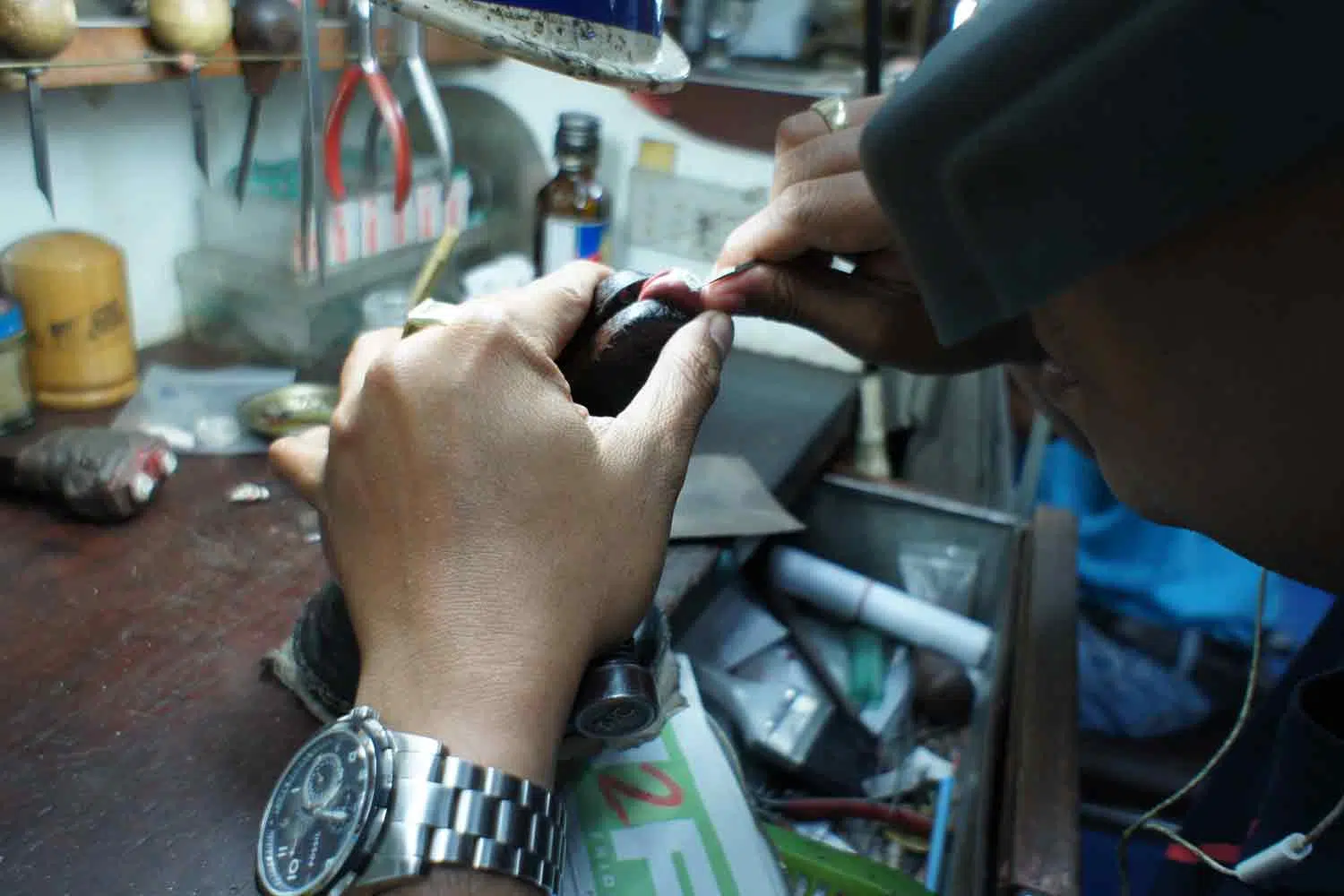
What Is Sustainable Jewelry Manufacturing?
Sustainable jewelry manufacturing encompasses the full spectrum of environmental and ethical practices applied throughout the production lifecycle of fine jewelry. It begins with responsible material sourcing — choosing recycled precious metals over newly mined alternatives, selecting ethically sourced gemstones with verified provenance, and using chemicals and consumables that minimize ecological harm. It extends through energy-efficient production processes, water conservation and treatment, waste reduction and recycling, and responsible packaging and logistics.
Critically, sustainability in jewelry manufacturing is not a single initiative or certification — it is a holistic approach that integrates environmental stewardship into every decision, from facility design and equipment selection to supplier relationships and employee training. The most credible sustainable manufacturers pursue third-party certifications such as RJC membership, ISO 14001 environmental management, and verified carbon neutrality to demonstrate their commitment through independent verification rather than self-declaration alone.
Recycled Precious Metals: Gold, Silver, and Platinum
Recycled Gold
Recycled gold is refined from post-consumer jewelry, industrial scrap, and electronic waste to produce gold that is chemically identical to newly mined material. The environmental benefit is profound: recycling gold eliminates the need for open-pit or underground mining, which generates an estimated 20 tons of waste rock per single ounce of gold produced. Recycled gold reduces carbon emissions by up to 99% compared to primary extraction. At the refining stage, recycled gold is purified to 999.9 fineness before being alloyed to the desired karat — 9K, 14K, 18K, or 22K — ensuring that quality, color, and workability are indistinguishable from mined gold. Leading refineries such as those certified by the London Bullion Market Association (LBMA) provide full chain-of-custody documentation for recycled gold, enabling brands to make verified sustainability claims.
Recycled Silver
Silver recycling is particularly impactful given silver's widespread use in electronics, photography, and industrial applications. Recycled sterling silver (925) is recovered from old jewelry, silverware, photographic film, and electronic components, then refined to purity before alloying. The recycling process for silver consumes approximately 80% less energy than primary silver mining and eliminates the toxic tailings and heavy metal contamination associated with silver extraction. For jewelry manufacturers producing high volumes of silver pieces — as many Bangkok manufacturers do — switching to recycled silver represents one of the most effective sustainability improvements available, with no compromise on material quality or production efficiency.
Recycled Platinum
Platinum recycling is both environmentally critical and economically compelling. Mining one ounce of platinum requires processing approximately 10 tons of ore and generates significant carbon emissions. Recycled platinum, sourced from spent automotive catalytic converters, old jewelry, and industrial equipment, is refined to 999.5 purity and is fully equivalent to mined platinum for jewelry applications. Given platinum's exceptional density and high melting point, recycling requires specialized facilities and expertise, but the environmental savings — approximately 95% reduction in carbon emissions compared to mining — make it an essential component of any sustainable precious metal strategy.

Carbon Neutrality in Jewelry Manufacturing
Achieving carbon neutrality in jewelry manufacturing requires a systematic approach: measure, reduce, and offset. The first step is a comprehensive carbon audit covering Scope 1 (direct emissions from facility operations), Scope 2 (indirect emissions from purchased electricity and heat), and ideally Scope 3 (supply chain emissions including material sourcing, transportation, and end-of-life). For a typical jewelry manufacturing facility, the largest emission sources are energy consumption for casting and melting furnaces, HVAC systems, and transportation of raw materials and finished goods.
Reduction strategies include transitioning to renewable energy sources such as solar and wind power, upgrading to energy-efficient casting and CNC equipment, optimizing production scheduling to reduce idle energy consumption, implementing LED lighting and smart building systems, and consolidating shipments to reduce transportation emissions. Remaining unavoidable emissions can be offset through verified carbon credit programs — Gold Standard, Verra VCS, or American Carbon Registry — that fund renewable energy, reforestation, or methane capture projects. Third-party certification under standards such as PAS 2060 or Climate Active provides independent verification of carbon neutral claims.
Ethical Gemstone Sourcing and Supply Chain Transparency
Ethical stone sourcing ensures that the gemstones used in jewelry are extracted under conditions that respect human rights, provide fair compensation to mining communities, and minimize environmental destruction. The Kimberley Process Certification Scheme addresses conflict diamonds, but comprehensive ethical sourcing extends far beyond diamonds to include colored gemstones — sapphires, rubies, emeralds, and semi-precious stones — where supply chain transparency has historically been weaker. Leading manufacturers implement Know Your Source (KYS) protocols that trace each stone from mine to finished piece.
Transparency tools such as blockchain-based provenance tracking, mine-to-market certification programs, and independent auditing of supplier practices are increasingly available to jewelry manufacturers. Brands should ask their manufacturing partners for documentation including country of origin, mining method (artisanal, small-scale, or industrial), treatment and enhancement disclosures, and supplier audit records. At Maneekan Siam, our stone sourcing department maintains long-term relationships with verified suppliers and provides full disclosure documentation to our brand partners.
Water and Energy Management in Jewelry Production
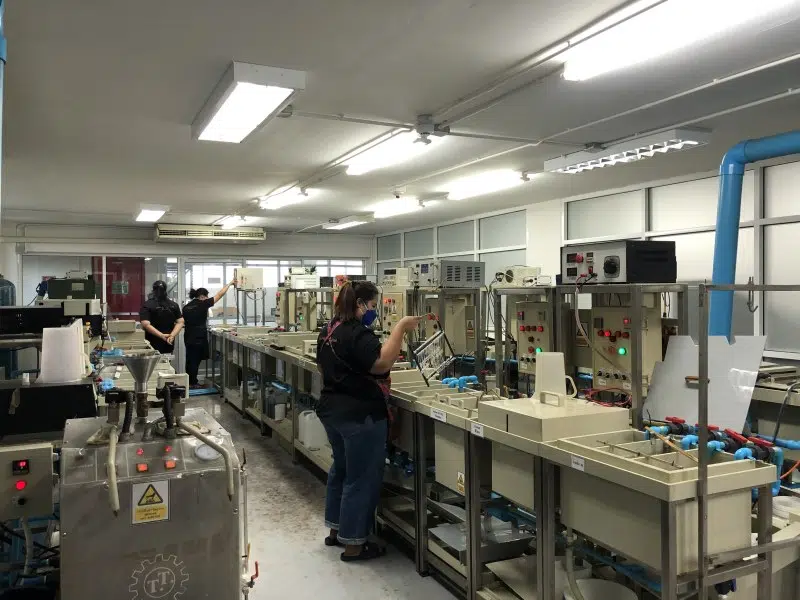
Jewelry manufacturing is water-intensive, particularly in processes such as electroplating, polishing, ultrasonic cleaning, and chemical treatment. Sustainable manufacturers implement closed-loop water systems that treat and recirculate process water, reducing freshwater consumption by 60-80%. Advanced water treatment technologies — including filtration, reverse osmosis, and chemical neutralization — ensure that discharged water meets or exceeds local environmental regulations and does not contaminate surrounding waterways with heavy metals or chemical residues.
Energy management focuses on reducing consumption across all production stages. Modern jewelry factories are adopting high-efficiency induction furnaces for casting (which use 30-50% less energy than resistance furnaces), variable frequency drives on polishing and tumbling motors, heat recovery systems that capture waste heat from furnaces for facility heating, and smart monitoring systems that identify energy waste in real time. Solar panel installations on factory rooftops can further offset grid electricity consumption, particularly in sun-rich manufacturing regions such as Southeast Asia.
The Sustainable Jewelry Market: $58.5B to $97.8B
The sustainable jewelry market is experiencing remarkable growth, projected to expand from $58.5 billion to $97.8 billion as consumer demand for ethical and environmentally responsible products intensifies across all luxury categories. This growth is driven by multiple factors: increased media coverage of mining's environmental impact, social media amplification of sustainability narratives, regulatory pressure in the European Union and other markets, and a generational shift as Millennial and Gen Z consumers — who represent the fastest-growing luxury demographic — prioritize brands that demonstrate genuine environmental commitment.
For jewelry brands, this market trajectory creates both opportunity and urgency. Brands that can substantiate sustainability claims with verified certifications, transparent supply chain data, and measurable environmental impact metrics will capture premium market positioning and consumer loyalty. Conversely, brands perceived as greenwashing — making vague or unsubstantiated sustainability claims — face increasing regulatory risk and consumer backlash. Partnering with a genuinely sustainable manufacturer is the foundation for building credible sustainability credentials that withstand scrutiny.
What Today's Consumers Expect from Sustainable Jewelry
Modern luxury consumers are sophisticated and informed. They expect jewelry brands to provide specific, verifiable information about the environmental and ethical credentials of their products — not vague assertions of being 'eco-friendly' or 'green.' Key consumer expectations include transparency about material origins (Is the gold recycled? Where were the stones mined?), information about manufacturing processes (What is the factory's energy source? How is waste handled?), relevant certifications (Is the manufacturer RJC certified? Are diamonds Kimberley Process compliant?), and evidence of continuous improvement rather than static one-time initiatives.
Social media and digital marketing have amplified the importance of sustainability storytelling. Consumers want to see behind-the-scenes content showing sustainable practices in action — recycling processes, water treatment systems, renewable energy installations, and fair labor conditions. Brands that can share authentic manufacturing stories from their production partners create emotional connections that drive purchase decisions and brand loyalty. This makes the choice of manufacturing partner a critical marketing asset as well as an operational decision.
How to Evaluate a Sustainable Jewelry Manufacturer
1. Verify Certifications and Audit Reports
Request copies of current certifications — RJC, ISO 14001, ISO 9001 — and ask to see the most recent audit reports. Legitimate certifications are independently verifiable through the issuing body's website. Be cautious of manufacturers who claim sustainability credentials without providing documentation or who hold only self-declared standards rather than independently audited certifications.
2. Assess Material Sourcing Transparency
A sustainable manufacturer should be able to document the origin and chain of custody for all precious metals and gemstones used in your production. Ask about their recycled metal percentage, refinery certifications (LBMA, RJC Chain of Custody), and gemstone sourcing protocols. Manufacturers who are transparent about their supply chain demonstrate genuine commitment; those who are evasive about sourcing details may be concealing problematic practices.
3. Evaluate Environmental Management Systems
Inquire about the manufacturer's water treatment and recycling systems, energy sources and efficiency measures, waste management and recycling rates, chemical management protocols, and air quality controls. A well-managed facility should have documented environmental policies, measurable reduction targets, and regular monitoring data. ISO 14001 certification provides a standardized framework for evaluating environmental management maturity.
4. Review Labor and Social Responsibility Practices
Sustainability extends beyond environmental factors to include fair labor practices, safe working conditions, reasonable working hours, and living wages. Ask about the manufacturer's labor policies, employee welfare programs, health and safety records, and any social responsibility initiatives. RJC membership includes mandatory standards for human rights and labor conditions, providing a baseline assurance of ethical employment practices.
5. Request Sustainability Reporting and Impact Data
The most committed sustainable manufacturers publish regular sustainability reports with quantifiable data — carbon emissions per unit produced, water consumption metrics, recycled material percentages, waste diversion rates, and energy intensity benchmarks. This data allows brands to make informed comparisons between potential manufacturing partners and to incorporate verified impact data into their own sustainability communications and marketing materials.
Frequently Asked Questions
What does sustainable jewelry manufacturing mean?
Sustainable jewelry manufacturing refers to production practices that minimize environmental impact and uphold ethical standards throughout the supply chain. This includes using recycled precious metals, sourcing gemstones from responsible mines, reducing carbon emissions, managing water and energy consumption, eliminating hazardous chemicals, and ensuring fair labor conditions. A truly sustainable manufacturer integrates these principles into every stage of production — from raw material procurement through casting, finishing, and shipping — rather than treating sustainability as a marketing afterthought.
Is recycled gold the same quality as newly mined gold?
Yes, recycled gold is chemically and physically identical to newly mined gold. During the refining process, recycled gold is purified to the same standards — typically 999.9 fine gold (24K) — before being alloyed to the desired karat. Whether the source material comes from old jewelry, electronic waste, or industrial scrap, the refined output meets identical purity specifications. The only difference is the environmental impact: recycled gold eliminates the need for new mining, reducing carbon emissions by up to 99% compared to primary extraction.
How can a jewelry brand become carbon neutral?
A jewelry brand can pursue carbon neutrality through a three-step process: measure, reduce, and offset. First, conduct a comprehensive carbon audit of your supply chain, including material sourcing, manufacturing energy, transportation, and packaging. Second, implement reduction strategies such as switching to renewable energy, using recycled metals, optimizing logistics, and choosing energy-efficient manufacturing partners. Third, offset remaining unavoidable emissions through verified carbon credit programs such as Gold Standard or Verra VCS projects. Many brands also pursue third-party carbon neutral certification to validate their claims and build consumer trust.
What certifications should I look for in a sustainable jewelry manufacturer?
Key certifications for sustainable jewelry manufacturing include RJC (Responsible Jewellery Council) membership, which covers ethical sourcing, human rights, and environmental management. Look for ISO 14001 for environmental management systems and ISO 9001 for quality management. Fairmined or Fairtrade Gold certification ensures responsibly sourced artisanal gold. The Kimberley Process Certification Scheme guarantees conflict-free diamonds. For carbon claims, look for verified carbon neutral certifications from standards such as PAS 2060 or Climate Active. REACH and RoHS compliance is essential for chemical safety in European markets.
How does Maneekan Siam approach sustainability in jewelry manufacturing?
Maneekan Siam integrates sustainability across its vertically integrated manufacturing facility in Bangkok. As an RJC certified manufacturer, we maintain rigorous standards for responsible sourcing and ethical business practices. Our sustainability initiatives include a metal recycling program that recovers and refines precious metal waste from production processes, water treatment and recirculation systems that reduce freshwater consumption, energy-efficient equipment and LED lighting throughout our facility, responsible chemical management with proper waste treatment, and full supply chain traceability for precious metals and gemstones. We work with brands to provide transparent sustainability documentation and support their environmental goals.
Building a Sustainable Jewelry Supply Chain
Sustainable jewelry manufacturing is not a trend — it is the future of the industry. As environmental regulations tighten, consumer expectations rise, and the market for responsibly produced luxury goods expands toward $97.8 billion, manufacturers and brands that invest in genuine sustainability practices today are positioning themselves for long-term success. The pillars of sustainable manufacturing — recycled metals, carbon neutrality, ethical sourcing, and environmental management — are interconnected, and the most impactful results come from a holistic approach that addresses all of these areas simultaneously.
At Maneekan Siam, sustainability is embedded in our operations as an RJC certified luxury jewelry manufacturer in Bangkok. From our metal recycling and water treatment programs to our energy efficiency initiatives and transparent supply chain practices, we partner with brands who share our commitment to responsible manufacturing. Contact us to discuss how sustainable jewelry manufacturing can strengthen your brand, satisfy your customers, and contribute to a more responsible industry.