Published on March 2, 2026
Understanding How Professional Jewelry Is Made
The jewelry manufacturing process is a sophisticated sequence of 11 specialized steps that transforms a creative concept into a finished, wearable piece. From the initial design sketch to the final quality inspection, each stage requires distinct expertise, precision equipment, and meticulous attention to detail. Understanding this process is essential for brands, designers, and buyers who want to make informed decisions about their jewelry production.
At its core, professional jewelry manufacturing combines centuries-old artisanal techniques with cutting-edge technology. Modern production facilities integrate computer-aided design (CAD), 3D printing, CNC machining, and laser technology alongside traditional hand skills such as wax carving, stone setting, enameling, and hand finishing. This fusion of craft and technology enables manufacturers to produce pieces with unmatched precision, consistency, and creative complexity.
In this comprehensive guide, we walk through every stage of the jewelry manufacturing process as practiced at Maneekan Siam — a vertically integrated luxury jewelry manufacturer in Bangkok with over 17 specialized expertises. Whether you are a brand exploring OEM production, a designer preparing your first collection, or simply curious about how fine jewelry comes to life, this article provides a complete, step-by-step overview of what happens behind the scenes in a professional jewelry factory.
Step 1: Design & Concept Development
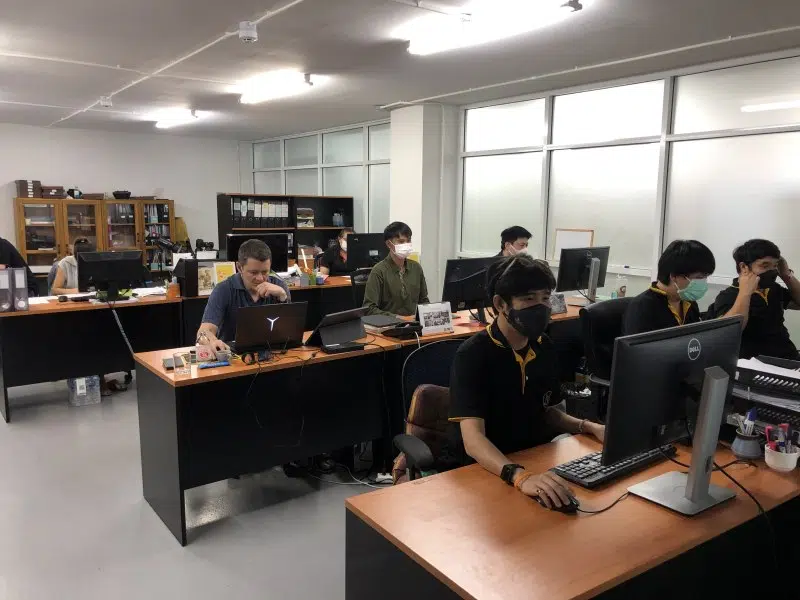
Every piece of jewelry begins with a design concept. This initial phase is where creative vision takes shape through mood boards, hand sketches, reference images, and detailed design briefs. Professional jewelry designers consider aesthetics, wearability, structural integrity, manufacturing feasibility, and target market positioning simultaneously. At Maneekan Siam, our in-house design team works closely with brand clients to translate their vision — whether it arrives as a rough sketch, a photograph, or a fully developed concept — into a technically executable design that maintains the creative intent while optimizing for production.
Design development also involves selecting materials, specifying metal types and karats, identifying stone requirements (type, cut, size, quality grade), and defining surface finish preferences. Detailed technical drawings are produced showing dimensions, cross-sections, and construction methods. This documentation ensures that every department involved in subsequent production steps has clear specifications to follow. A thorough design phase prevents costly revisions later and is the foundation upon which manufacturing quality is built.
Step 2: CAD Modeling & 3D Rendering
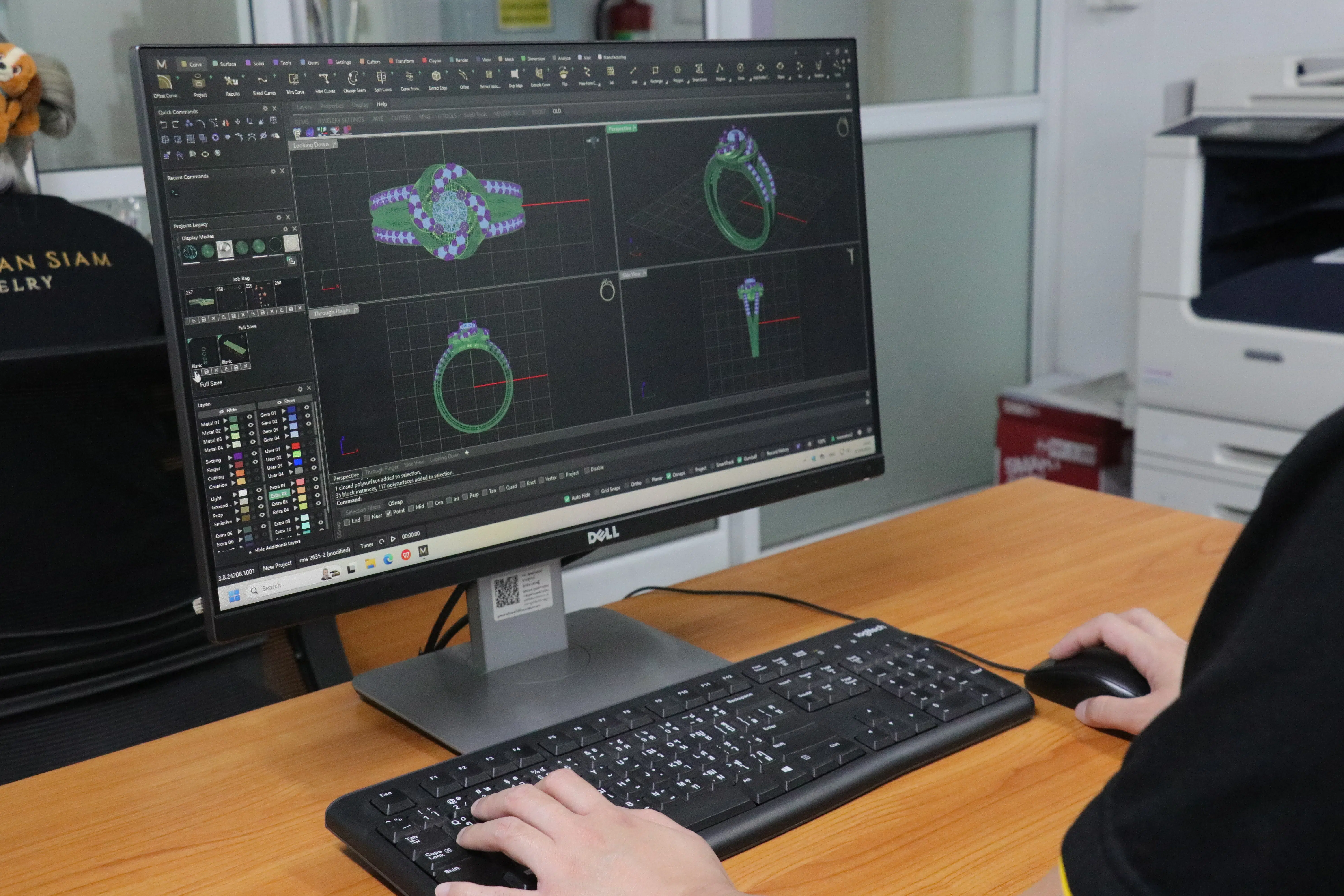
Once the design concept is approved, it moves into computer-aided design (CAD) modeling. Using specialized jewelry CAD software such as Rhino with Matrix or RhinoGold, skilled CAD technicians create a precise three-dimensional digital model of the piece. This digital model captures every detail — stone seat dimensions, prong positions, metal thickness, curvature profiles, and internal structures — with accuracy measured in hundredths of a millimeter. CAD modeling allows designers and clients to visualize the finished piece in photorealistic 3D renderings before any physical production begins, reducing risk and enabling rapid design iteration.
Beyond visualization, the CAD file serves as the technical blueprint for all subsequent manufacturing steps. It drives the 3D printer or CNC machine that produces the prototype, defines the dimensions against which quality control inspects the finished piece, and provides precise weight calculations for metal and stone requirements. For complex multi-component pieces — such as hinged bracelets, articulated links, or pieces with multiple moving parts — CAD modeling is indispensable for ensuring that all components fit together perfectly. The investment in accurate CAD work pays dividends throughout the entire production chain.
Step 3: Prototyping — Wax Carving & 3D Printing
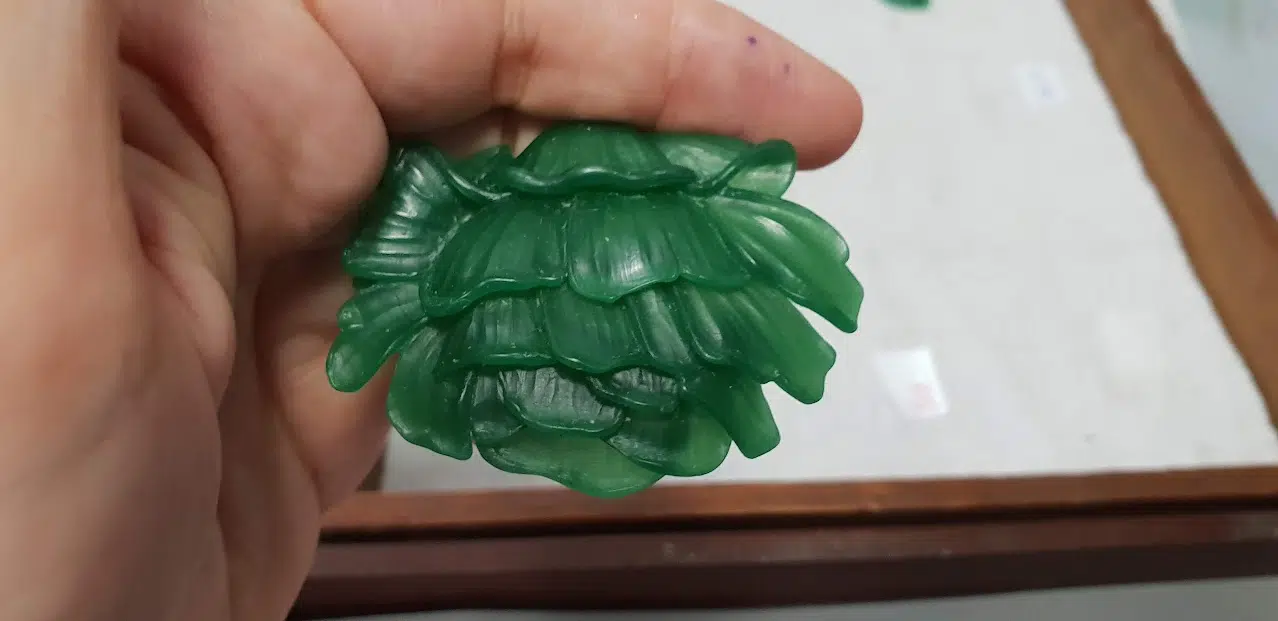
Prototyping bridges the gap between digital design and physical reality. In this step, the approved CAD file is translated into a tangible model using one of two primary methods: traditional hand wax carving or modern 3D printing (also known as rapid prototyping or additive manufacturing). Each method has distinct advantages, and the choice depends on the design complexity, production requirements, and desired finish quality.
Hand wax carving is a traditional technique where skilled artisans use specialized tools to sculpt jewelry models from blocks of carving wax. This method excels for organic, free-flowing designs and allows experienced carvers to make subtle artistic adjustments during the process. Hand-carved wax models carry a character and warmth that reflects the artisan's individual skill and creative interpretation.
3D printing, by contrast, uses high-resolution stereolithography (SLA) or digital light processing (DLP) printers to build wax or castable resin models directly from the CAD file. This technology delivers exceptional precision — modern jewelry 3D printers achieve layer resolutions of 25 to 50 microns — making it ideal for intricate geometric patterns, micro-pavé stone layouts, and designs requiring perfect dimensional consistency across production runs. Many manufacturers, including Maneekan Siam, use both methods depending on the project requirements.
Step 4: Master Model & Mold Making
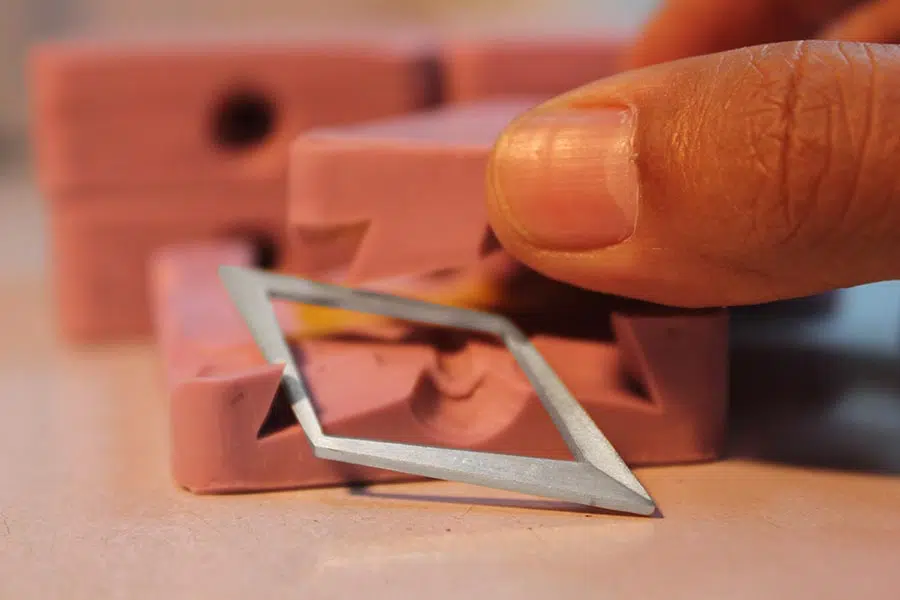
Once the prototype is approved — either as a wax model or after being cast into metal as a master model — the next step is creating a production mold. The master model is the definitive reference piece from which all subsequent copies will be made. It undergoes careful finishing and inspection to ensure it is flawless, as any imperfection in the master will be replicated in every piece produced from its mold.
Mold making involves encasing the master model in vulcanized rubber or silicone under controlled heat and pressure. Once cured, the mold is carefully cut open along strategic lines to allow the master to be removed, leaving a precise negative cavity. Molten wax is then injected into this cavity to produce wax copies — a process that can be repeated thousands of times from a single high-quality mold. The durability and precision of the mold directly impact the consistency and quality of mass production. Experienced mold makers at Maneekan Siam know exactly where to place cut lines to minimize flash marks and ensure clean, consistent wax injections.
Step 5: Casting & Metal Processing
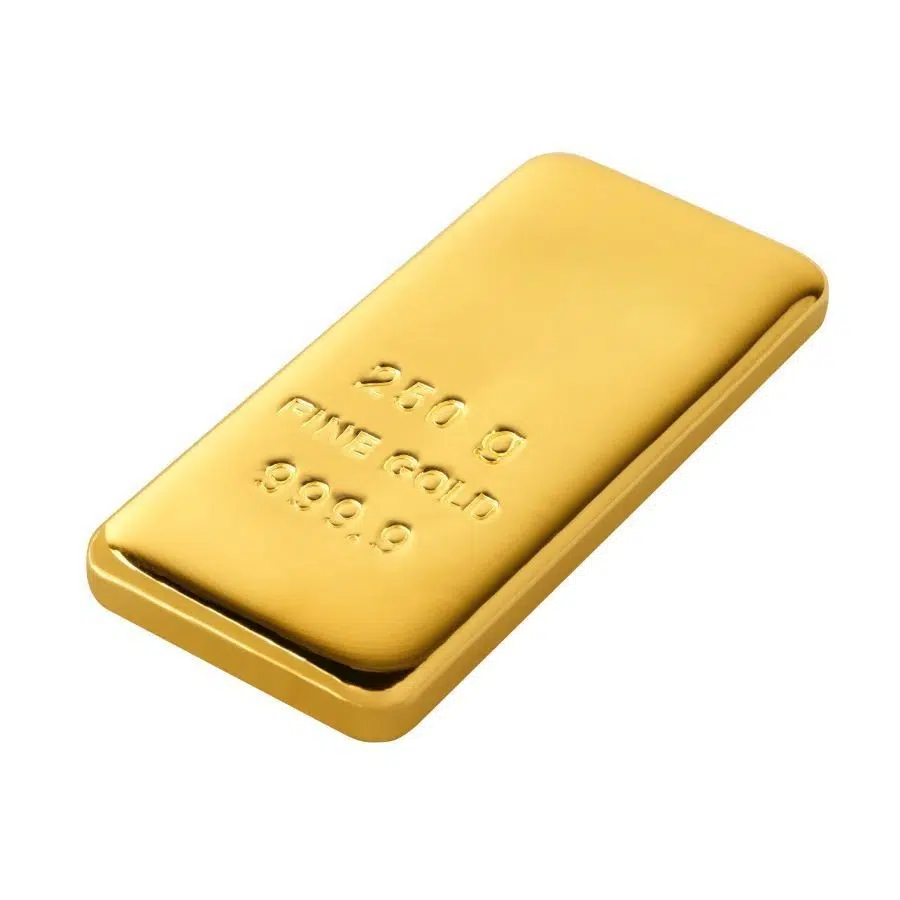
Casting is the transformative step where wax models become metal jewelry. The process most commonly used is lost-wax casting (also called investment casting), a technique with origins dating back over 5,000 years. Multiple wax models are attached to a central wax rod called a sprue, forming a tree-like assembly. This assembly is encased in a plaster-like investment material, heated in a kiln to burn out the wax (hence 'lost wax'), and the resulting cavity is filled with molten metal — gold, silver, platinum, or other alloys — under vacuum or centrifugal force.
After casting, the metal tree is cooled, the investment is broken away, and individual pieces are cut from the sprue. Each piece then undergoes initial processing: removal of sprue marks, filing, and preliminary polishing. Metal composition is verified to ensure it meets the specified alloy standards and karat requirements. Casting quality is critical — porosity, surface pitting, and incomplete fills are defects that must be identified and addressed at this stage. At Maneekan Siam, we control our metal alloys in-house, ensuring consistent color, hardness, and casting performance across every production run.
Step 6: CNC Machining & Guilloché
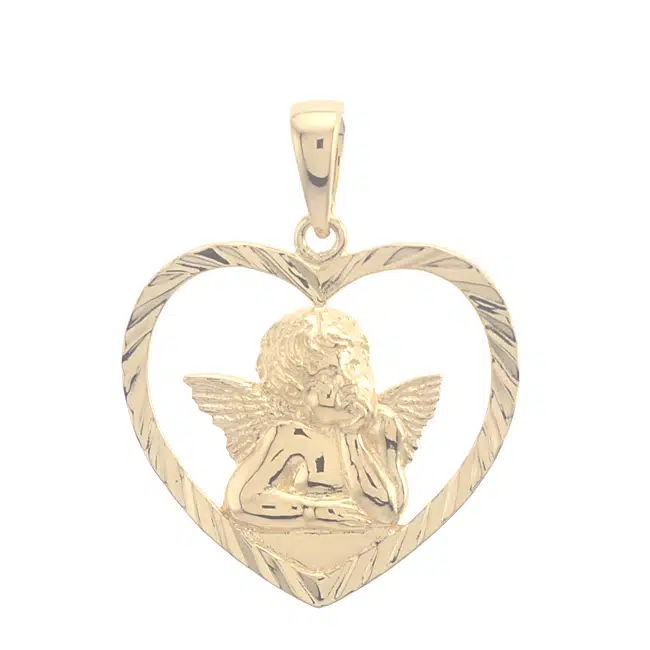
CNC (Computer Numerical Control) machining brings exceptional precision to jewelry manufacturing. Multi-axis CNC machines can mill, drill, engrave, and shape metal with tolerances measured in microns — far beyond what hand tools can achieve consistently. CNC is used for creating perfectly uniform components, complex geometric patterns, precise stone seats, and the intricate engine-turned patterns known as guilloché. This centuries-old decorative technique, historically achieved on hand-operated rose engine lathes, is now executed with remarkable speed and consistency using programmable CNC equipment.
Guilloché creates mesmerizing patterns of fine, repetitive lines engraved into the metal surface. These patterns — including barley grain, sunburst, wave, basket weave, and clou de Paris — catch and reflect light in distinctive ways, adding visual depth and texture to dials, pendants, cufflinks, and other flat or gently curved surfaces. When combined with translucent enamel (a technique associated with luxury watchmaking and high jewelry), guilloché produces an effect of luminous, moving color that is impossible to achieve by any other means. Maneekan Siam operates advanced multi-axis CNC machines capable of producing the full range of classical and contemporary guilloché patterns.
Step 7: Stone Setting
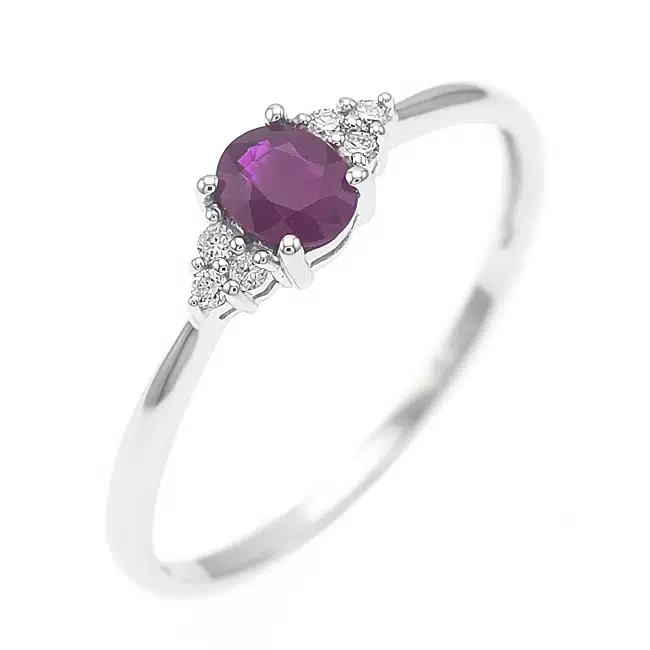
Stone setting is one of the most skilled and labor-intensive steps in jewelry manufacturing. A master stone setter secures gemstones — diamonds, sapphires, rubies, emeralds, or any precious or semi-precious stone — into the metal mounting using specialized techniques that must achieve both visual beauty and structural security. The stone must be held firmly enough to withstand daily wear while allowing maximum light to enter and exit the stone for optimal brilliance.
Common setting techniques include prong setting (the most versatile, using metal claws to grip the stone), bezel setting (a metal rim surrounding the stone's circumference, offering superior protection), pavé setting (multiple small stones set closely together with minimal visible metal, creating a surface of continuous sparkle), channel setting (stones placed in a groove between two metal walls), and invisible setting (a technically demanding method where stones are locked together with no visible metal holding them). Each technique requires different tools, skills, and approaches to metal preparation. At Maneekan Siam, our stone setters are trained across all major techniques and work with stones ranging from melee diamonds under 1mm to large center stones requiring custom prong configurations.
Step 8: Enameling & Decorative Techniques
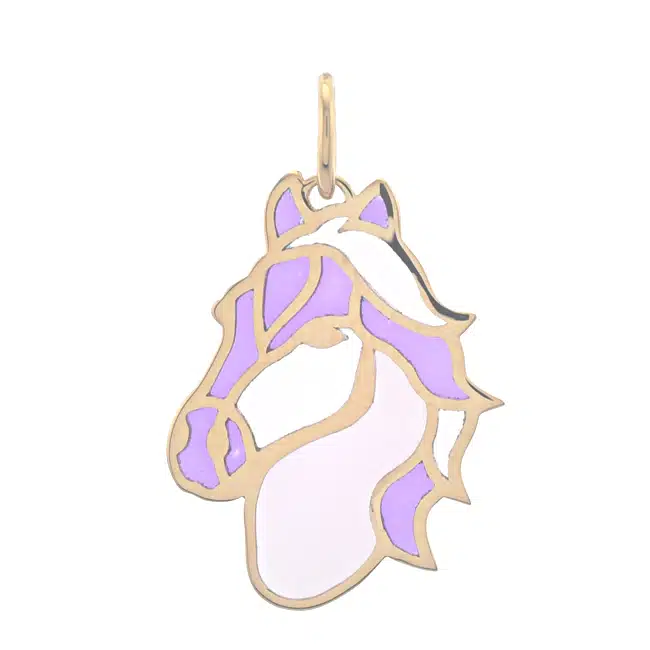
Enameling is the art of fusing powdered glass to metal through high-temperature firing, creating vibrant, durable color surfaces that have adorned jewelry for millennia. Professional enameling requires deep knowledge of glass chemistry, firing temperatures, thermal expansion coefficients, and color behavior — a slight variation in temperature or timing can dramatically alter the result. The three primary enameling techniques used in fine jewelry are cloisonné (color contained within wire-formed cells), champlevé (color filling recessed areas carved or etched into the metal), and plique-à-jour (translucent enamel without a backing, creating a stained-glass effect).
Beyond enameling, luxury jewelry manufacturing may incorporate other decorative techniques such as granulation (tiny metal spheres fused to the surface), filigree (intricate wire work), resin inlay, mother-of-pearl inlay, lacquer work, and hand-painted miniature details. These techniques transform a piece of jewelry from a simple metal and stone construction into a work of art. Maneekan Siam is one of the few manufacturers in Southeast Asia with full in-house enameling capabilities, including cloisonné, champlevé, plique-à-jour, and grand feu enamel, allowing us to produce pieces that combine multiple decorative techniques in a single production run.
Step 9: Engraving & Personalization
Engraving adds inscriptions, monograms, serial numbers, logos, hallmarks, and decorative patterns directly into the metal surface. Modern jewelry manufacturing employs three primary engraving methods: hand engraving using traditional burins and gravers for the most artistic and personalized results, machine engraving using pantograph or rotary systems for consistent lettering and logos, and laser engraving using fiber or CO2 lasers for ultra-fine detail, serial number marking, and high-volume personalization.
Laser engraving has become particularly important for brand compliance and traceability. It enables manufacturers to mark each piece with a unique serial number, karat stamp, brand logo, and production code — all in a space as small as a few square millimeters on the inside of a ring band or the back of a pendant bail. For luxury brands, hand engraving remains a premium offering that adds bespoke value, as each character carries the subtle irregularities and artistic personality of the engraver's hand. Maneekan Siam offers all three engraving methods, allowing clients to choose the approach that best matches their brand positioning and production volume requirements.
Step 10: Finishing & Plating
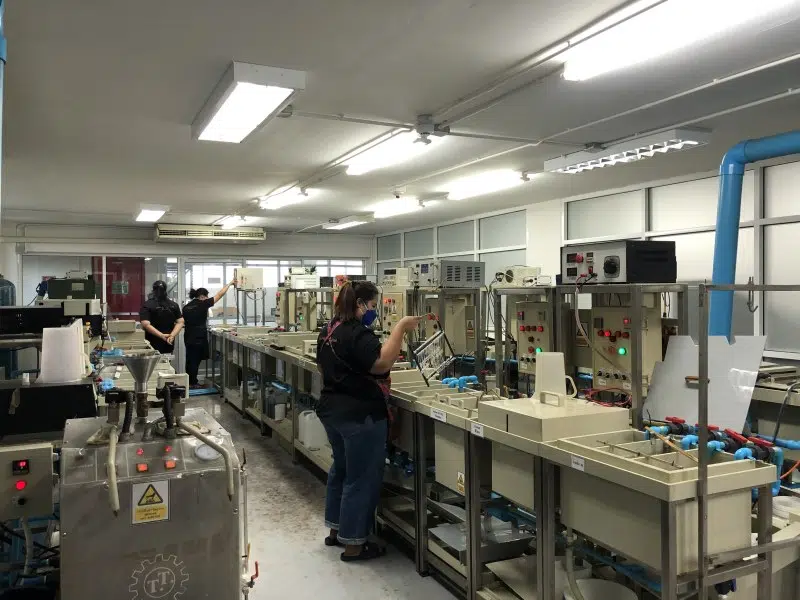
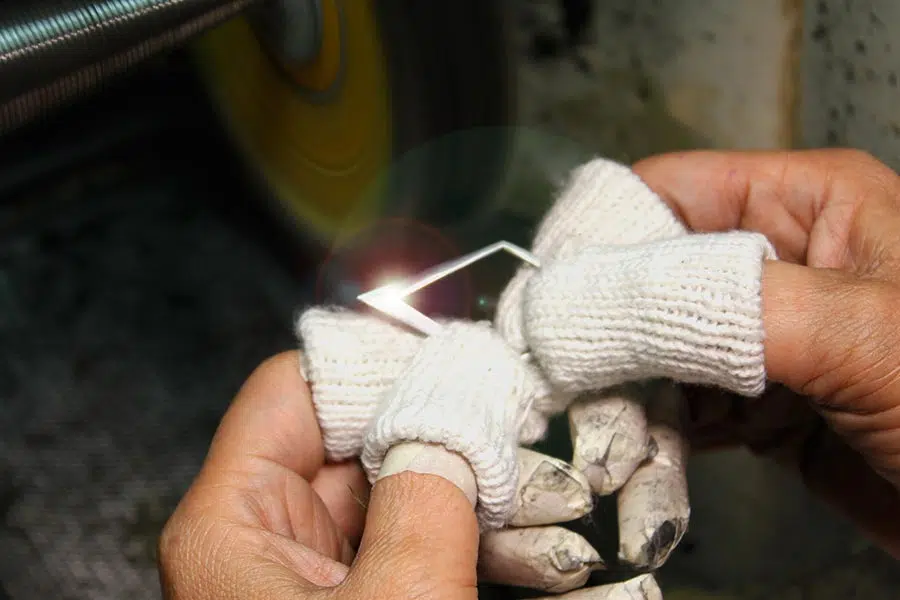
Finishing is what transforms a manufactured piece of jewelry into a polished, market-ready product. This multi-stage process includes grinding (removing tool marks and surface irregularities), pre-polishing (smoothing with progressively finer abrasives), and final polishing (achieving a mirror or satin finish using specialized buffing compounds and wheels). Different finishing techniques produce different surface effects: high polish creates a reflective mirror surface, satin or brushed finishes create a soft matte texture, sandblasting creates a uniform frosted appearance, and hammered finishes add organic texture. A single piece may incorporate multiple finish types to create visual contrast and design interest.
Plating — the electrochemical deposition of a thin metal layer onto the surface — is the final surface treatment applied to many jewelry pieces. Common plating options include rhodium (for brilliant white finish and tarnish resistance on white gold and silver), gold (yellow, rose, or champagne gold plating in various thicknesses), ruthenium or black rhodium (for dark, contemporary finishes), and PVD coatings (for enhanced durability). Plating thickness is measured in microns and directly affects durability and appearance. At Maneekan Siam, we operate our own plating facility with precise control over bath chemistry, current density, and deposition time to ensure consistent, high-quality plating across every production batch.
Step 11: Quality Control & Packaging
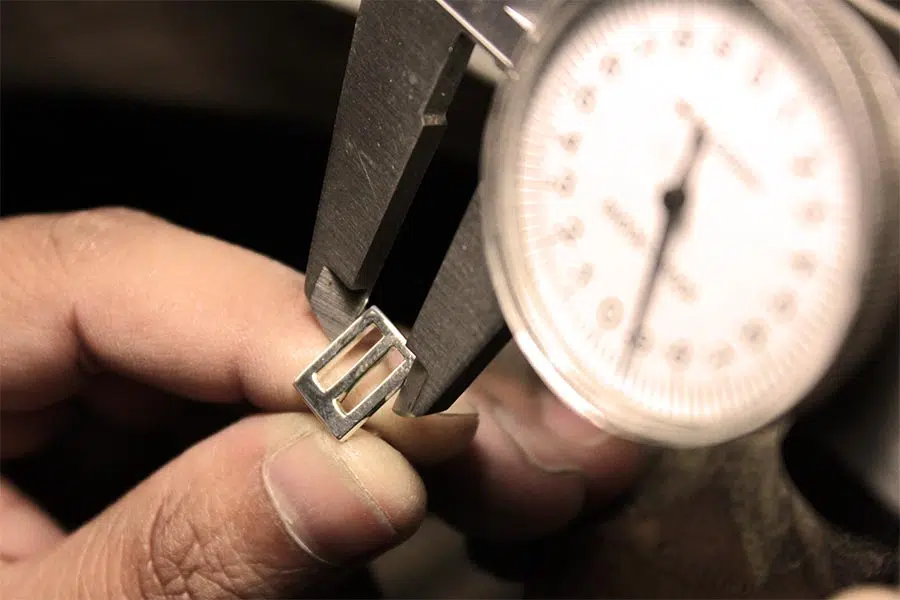
Quality control is not a single step but rather a discipline woven throughout the entire manufacturing process. However, the final QC inspection before packaging represents the last line of defense between production and the client. At this stage, trained quality inspectors examine every piece against the original specifications: dimensional accuracy is verified with digital calipers and micrometers, stone setting security is tested, surface finish quality is evaluated under magnification, plating thickness is measured, and overall visual appearance is assessed against approved reference samples. Any piece that does not meet standards is returned for rework or rejected.
Once a piece passes final inspection, it moves to packaging — itself a carefully considered process for luxury jewelry. Pieces are cleaned using ultrasonic baths and steam, anti-tarnish treatments are applied where appropriate, and each item is carefully placed in protective packaging. For brands with custom packaging requirements, Maneekan Siam coordinates with packaging suppliers to ensure that finished products arrive at their destination in brand-specific boxes, pouches, or display materials. Detailed quality reports, production certificates, and material documentation are prepared as required by the client, providing full traceability from raw materials to finished piece.
Frequently Asked Questions
How many steps are in the jewelry manufacturing process?
Professional jewelry manufacturing involves 11 key steps: design and concept development, CAD modeling, prototyping (wax carving or 3D printing), master model and mold making, casting and metal processing, CNC machining and guilloché, stone setting, enameling and decorative techniques, engraving and personalization, finishing and plating, and quality control with packaging. Not every piece requires all 11 steps — a simple polished band may skip stone setting and enameling, while a complex multi-technique piece may involve every stage. The manufacturing plan is tailored to each design's specific requirements.
How long does it take to manufacture a piece of jewelry from start to finish?
The timeline for manufacturing a piece of jewelry ranges from 4 to 16 weeks depending on complexity, the number of techniques involved, and order volume. Simple cast and polished pieces may be completed in 4 to 6 weeks, while pieces requiring multiple specialized processes — such as CAD modeling, casting, CNC guilloché, enameling, and stone setting — can take 10 to 16 weeks. Prototyping and sample approval typically adds 2 to 3 weeks before bulk production begins. A reputable manufacturer will provide a detailed production schedule before confirming an order.
What is the difference between hand-crafted and machine-made jewelry?
Modern luxury jewelry manufacturing is not an either-or choice between handcraft and machine production — it is a strategic integration of both. CNC machining and 3D printing provide unmatched precision, consistency, and efficiency for complex geometries, detailed patterns, and large production volumes. Hand skills remain essential for stone setting, enameling, engraving, and final finishing, where the human eye and hand achieve results that machines cannot replicate. The best manufacturers combine advanced technology with traditional craftsmanship to maximize both quality and creative possibility.
What metals are commonly used in jewelry manufacturing?
The most commonly used metals in jewelry manufacturing include gold (available in 9K, 10K, 14K, 18K, 22K, and 24K purities), sterling silver (925), platinum, palladium, brass, and bronze. Gold alloys can be produced in yellow, white, rose, and green color variations by adjusting the proportions of copper, silver, zinc, and palladium. The choice of metal depends on the design intent, target market positioning, price point, and technical requirements of the piece. Each metal has distinct properties affecting hardness, color, weight, tarnish resistance, and suitability for specific techniques like enameling or stone setting.
How does quality control work in jewelry manufacturing?
Quality control in professional jewelry manufacturing involves multiple inspection checkpoints throughout the production process — it is not limited to a final check. Key QC stages include verifying CAD model dimensions, inspecting wax models before casting, checking cast pieces for porosity and defects, evaluating stone setting security and alignment, confirming surface finish quality, measuring plating thickness, and performing final dimensional and weight verification against specifications. At Maneekan Siam, every piece undergoes rigorous multi-point inspection using precision measurement tools, visual assessment under magnification, and standardized quality criteria before it is approved for packaging and shipment.
From Concept to Creation: Partnering with the Right Manufacturer
The jewelry manufacturing process is a complex orchestration of art, science, and engineering. Each of the 11 steps described in this guide — from initial design through quality control — demands specialized knowledge, precision equipment, and experienced hands. Understanding this process empowers brands and designers to communicate more effectively with their manufacturing partners, make better-informed production decisions, and appreciate the craftsmanship behind every finished piece.
At Maneekan Siam, we bring all 11 manufacturing steps together under one roof. As a vertically integrated luxury jewelry manufacturer in Bangkok, we offer the full spectrum of production capabilities — design, CAD, prototyping, mold making, casting, CNC guilloché, stone setting, enameling, engraving, finishing, and quality control — with over 300 skilled artisans and 17 specialized expertises. Whether you need a single prototype or a full production run, our team is ready to guide your project from concept to finished piece with the precision and craftsmanship your brand demands.